Dr. Chen You-chia on Autonomic Nervous System Imbalance and Lifestyle Adjustments | Media Interview Archive
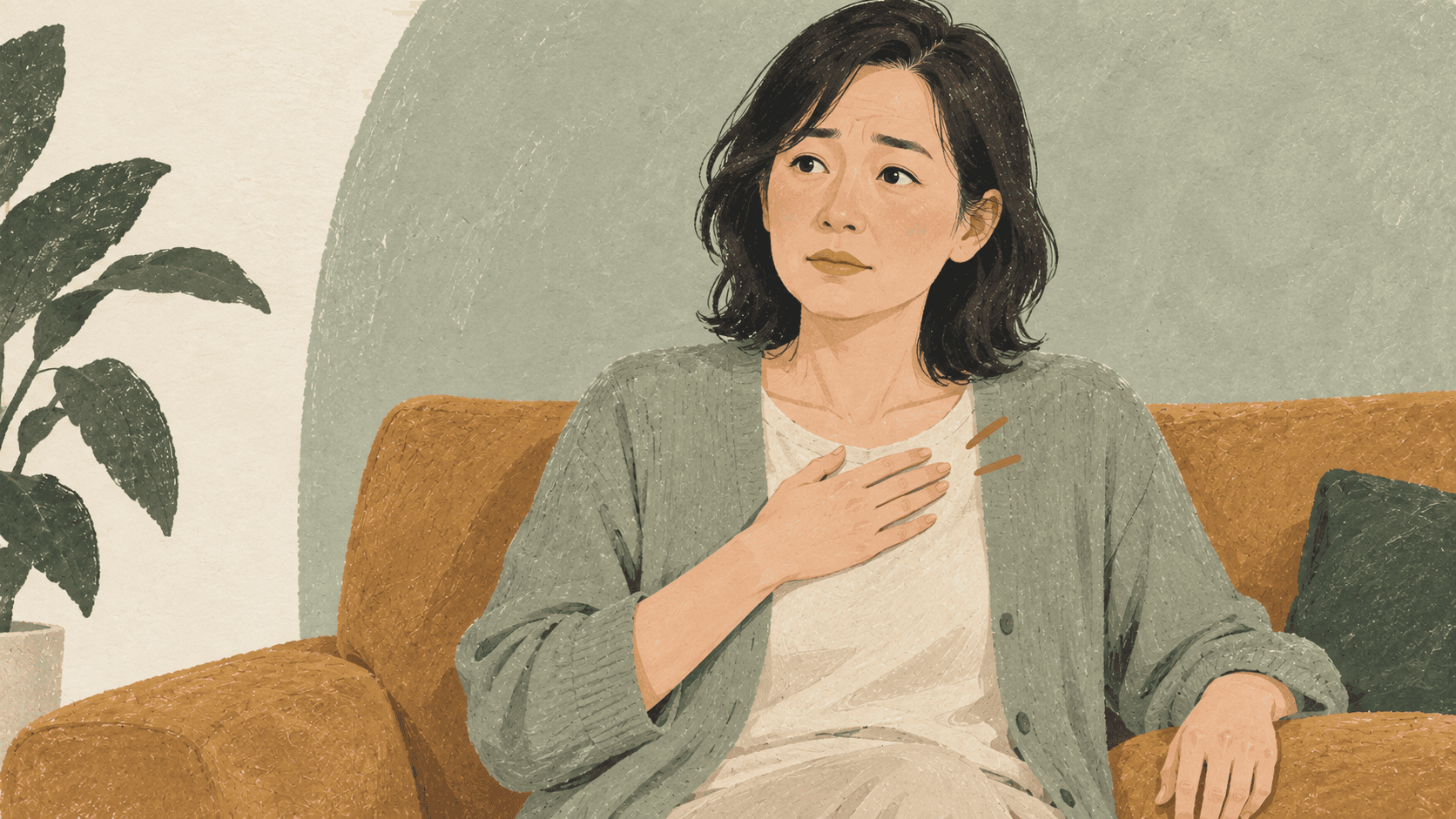
Poor sleep, frequent palpitations, or recurrent dizziness are sometimes collectively referred to as "autonomic nervous system imbalance." The causes of these discomforts vary and must be evaluated based on the patient's symptoms and medical history, rather than being defined by a single diagnosis.
Dr. Yu-Chia Chen was previously interviewed as a neurologist to discuss the impact of lifestyle, sleep, and stress on bodily sensations. This page retains the original media records for readers to understand the clinical issues the doctor focuses on.
Original Date | Media | Link |
|---|---|---|
2020/09/15 | SETN | |
Top1Health | What to Do About Autonomic Nervous System Imbalance? Feature and Video with Dr. Yu-Chia Chen | |
2020/09/11 | Top1Health/LINE TODAY | Interview Articles Related to Autonomic Nervous System Imbalance |
The links above are records of past interviews; individual symptoms and treatment plans must still be based on the current evaluation.
References | Stress, Sleep, and the Autonomic Nervous System
Association Between Psychological Stress and Heart Rate Variability
Kim HG, Cheon EJ, Bai DS, Lee YH, Koo BH. Stress and Heart Rate Variability: A Meta-Analysis and Review of the Literature. Psychiatry Investigation. 2018;15(3):235–245.
DOI: 10.30773/pi.2017.08.17This article synthesizes human studies to explore the association between psychological stress and changes in heart rate variability (HRV), providing a research background for understanding stress and cardiac autonomic regulation.
View AbstractAutonomic Regulation During Sleep and Wakefulness
Fink AM, Bronas UG, Calik MW. Autonomic regulation during sleep and wakefulness: a review with implications for defining the pathophysiology of neurological disorders. Clinical Autonomic Research. 2018;28(6):509–518.
DOI: 10.1007/s10286-018-0560-9This article reviews autonomic regulation of cardiovascular and respiratory systems during sleep and wakefulness, and explores the relationship between related neural networks and sleep disorders, providing physiological background for understanding the interaction between sleep and the autonomic nervous system.
View Abstract
