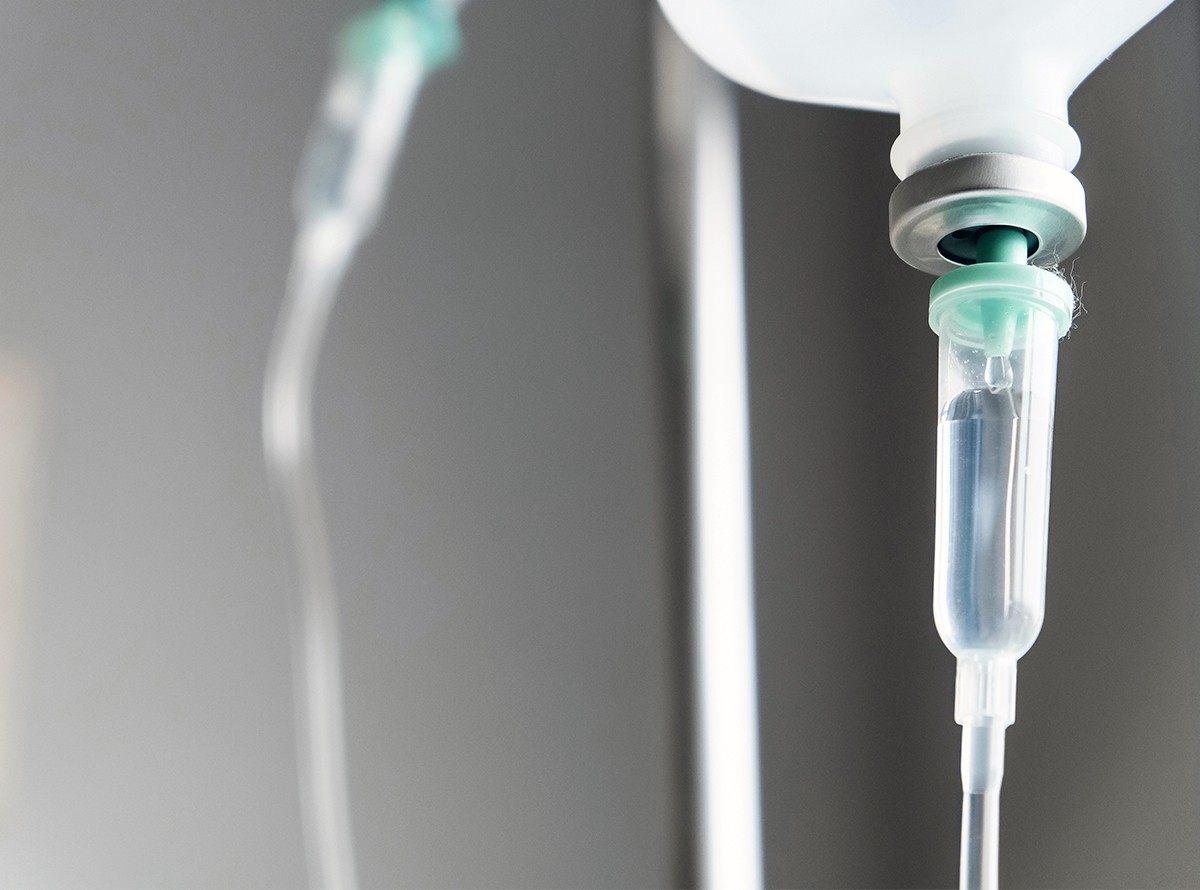
What is nutritional IV therapy? When is it suitable, how often should you get it, and how is suitability evaluated?
What is nutritional IV therapy? When is it suitable, how often should you get it, and how is suitability evaluated?
Article Summary
Nutritional IV drip (intravenous nutrient therapy) involves formulating vitamins, minerals, and amino acids into a drip and administering them intravenously. Because it bypasses the digestive tract, absorption is not affected by gastrointestinal conditions.
Under what circumstances is a nutritional IV drip considered?
Mainly when there is an insufficient intake or poor absorption of nutrients.
The most common cases include people with poor gastrointestinal absorption, long-term unbalanced diets, poor appetite, or whose intake is restricted due to illness or treatment. People with chronic fatigue or disorganized daily routines can also consider it, but in these cases, it must first be clarified whether other factors are the cause, and it is more meaningful to administer the drip after a blood test.
What needs to be specially explained here is that fatigue, poor sleep, and a perceived decline in immunity have complex causes, and nutrient deficiency is only one possibility. Find the cause first, and then decide whether to supplement and what to supplement.
What are the ingredients? Can they be adjusted according to individual conditions?
Yes, but the adjustment should be based on the test results.
Common ingredients include B vitamins, vitamin C, minerals and trace elements such as magnesium, and amino acids. Doctors will decide on the formula based on the results of evaluations and blood tests, rather than based on "what you want to improve." This distinction is very important: the former is to supplement deficiencies, while the latter is selling the IV drip as a functional product.
Is an IV drip helpful after social drinking (having drinks)?
Yes, but it is necessary to explain clearly what it cannot achieve.
Alcohol metabolism causes dehydration and electrolyte loss. Replacing fluids and electrolytes with an IV drip may help with discomforts caused by dehydration, such as dry mouth and headaches. However, it will not speed up alcohol metabolism, nor will it lower the blood alcohol concentration; you still cannot drive after getting the drip. Please be sure to remember this.
How often should it be administered?
There is no standard answer, and it is not recommended as a fixed, routine schedule.
Whether it is needed and how often depends on the blood test results, which reveal what is lacking and by how much, as well as whether diet and lifestyle have been adjusted. If the nutrients have already been replenished, continuing regular administration has no additional meaning. The doctor will explain based on the results of the evaluation and follow-up.
Who needs a doctor's evaluation first?
Please proactively inform the doctor before administration if you have the following conditions: heart, blood vessel, liver, or kidney disease; a history of allergy to drugs or injection ingredients; currently taking anticoagulants or other chronic disease medications; a history of epilepsy; or are pregnant or breastfeeding. Kidney function affects the body's ability to handle fluids and electrolytes, and this item especially requires evaluation.
What reactions might occur?
A small number of people may feel nauseous, dizzy, or experience a slight drop in blood pressure during the administration, which is mostly related to the infusion speed. Telling the staff on site to slow down the speed usually improves it. Short-lived pain or bruising may occur at the injection site. If reactions such as skin rashes, difficulty breathing, or heart palpitations occur, please inform healthcare staff immediately.
Can it replace a normal diet and lifestyle?
No.
For people who stay up late for a long time, are under high stress, or have an unbalanced diet, if their lifestyle does not change after getting the drip, what they lack still cannot be replenished by the drip. Nutritional IV drips address the "supplementation" part, but cannot address the consumption part.
Want an evaluation?
You can first inquire via LINE. Please inform us of your current medications, allergy history, and chronic diseases during your consultation. See-Doctors Clinic is located at 2F-1, No. 40, Sec. 2, Heping E. Rd., Da'an Dist., Taipei City, operating on a strictly by-appointment-only basis. Phone: (02) 2366-0186.
Authoring Physician: Dr. Ping-Sheng Lu
Last Updated: July 28, 2026
Disclaimer: This article is educational health information and cannot replace a doctor's diagnosis and treatment advice. Whether it is suitable to receive administration should be evaluated and decided by a doctor.
