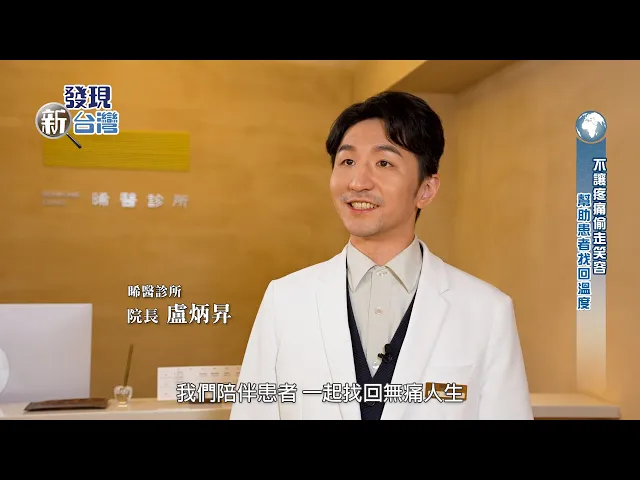
"Discovering New Taiwan" Exclusive Interview with Xi Clinic | Japan Okuno C-TAME × GE OEC 3D Minimally Invasive Pain Treatment
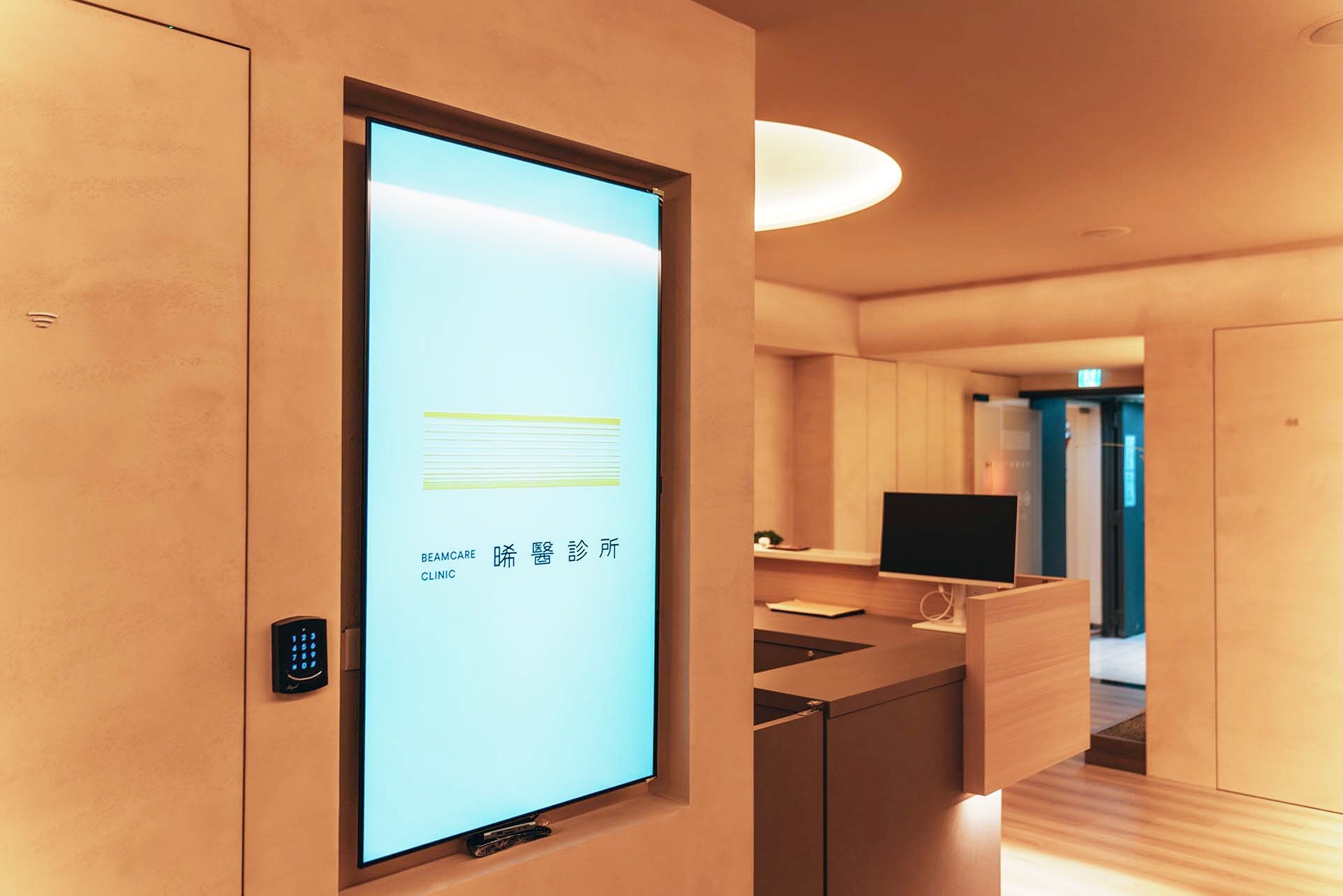
"Discovering New Taiwan" takes an in-depth look at BEAMCARE Clinic, introducing how BEAMCARE has brought the TAME (Transcatheter Arterial Microembolization) therapy—developed by Japan's Okuno Clinic—to Taiwan. From its actual clinical environment and medical team to its image-guided equipment, the show highlights the integration of the GE OEC 3D mobile C-arm image-guided system for minimally invasive intervention in chronic pain.
Through this video, we can gain a practical understanding of BEAMCARE Clinic's C-TAME treatment philosophy, angiography operating room environment, and how doctors utilize imaging technology to assess and address long-term pain issues.
"Discovering New Taiwan" Video Guide to BEAMCARE Clinic's Minimally Invasive Pain Treatment
What is C-TAME?
C-TAME is the catheter-based TAME (Transcatheter Arterial Microembolization) performed at BEAMCARE Clinic. During the procedure, the doctor inserts a microcatheter through a blood vessel under image guidance to locate abnormal microvessels associated with chronic inflammatory pain, followed by selective intervention.
The C-TAME procedure at BEAMCARE Clinic is performed by Superintendent Dr. Ping-Sheng Lu, who has a background in Diagnostic Radiology, Neuroradiology, and Pain Medicine. Suitability for the treatment still requires individual assessment by the doctor based on the cause of pain, medical history, and imaging examinations.
What is the relationship between C-TAME and Japan's Okuno Clinic?
TAME microvascular embolization (also known as Okuno pain-relief therapy) was developed by Dr. Yuji Okuno from Japan.
In 2025, BEAMCARE Clinic signed a medical technology and trademark licensing cooperation agreement with Japan's Okuno Clinic to introduce relevant therapeutic experience and continue professional exchanges in pain intervention treatment between Taiwan and Japan.
Why does C-TAME require image guidance?
Catheter-based treatments require identifying the path of blood vessels and the target treatment locations.
BEAMCARE Clinic is equipped with the GE OEC 3D mobile C-arm featuring cone-beam CT imaging capabilities, which assists doctors in interpreting vascular and anatomical positions and provides image guidance during interventional procedures.
The video also showcases the actual angiography operating room, equipment, and treatment workflow at BEAMCARE Clinic.
What pain issues can be evaluated for C-TAME?
For patients whose pain has persisted for some time and continues to recur despite rehabilitation, medication, injections, or other conservative treatments, a doctor can further determine the source of the pain and evaluate whether it is suitable for interventional therapy.
Common areas evaluated include chronic musculoskeletal pain in the knees, shoulders, hips, ankles, and feet. However, not all pain is suitable for TAME, and the actual treatment method should be determined based on individual diagnosis.
About BEAMCARE Clinic
Located in Da'an District, Taipei City, BEAMCARE CLINIC is an appointment-only clinic specializing in image-guided, minimally invasive interventional treatments, led by Superintendent Dr. Ping-Sheng Lu and his medical team.
The clinic offers image-guided, minimally invasive interventional treatments such as C-TAME and s-TAME microvascular embolization therapy, prolotherapy and regenerative medicine, as well as Prostate Artery Embolization (PAE) and treatments for varicose veins.
Further Reading:
What is the difference between C-TAME and s-TAME?
Medical Technology Cooperation between BEAMCARE Clinic and Japan's Okuno Clinic
Introduction to BEAMCARE Clinic's Image-Guided Equipment and Operating Room
Profile of Superintendent Dr. Ping-Sheng Lu
To learn more about C-TAME microvascular embolization therapy, please view our treatment features page, or contact us through LINE for a pre-consultation assessment.
