What should you do about Gaohuang pain? Learn the location of the Gaohuang acupoint, the symptoms of Gaohuang pain, and ways to relieve and treat it all in one place!
What should you do about Gaohuang pain? Learn the location of the Gaohuang acupoint, the symptoms of Gaohuang pain, and ways to relieve and treat it all in one place!
Article Summary
1. What Is Gaohuang Pain? Illustrated Guide to the Gaohuang Point Location and Its Relationship to Gaohuang Pain
In Traditional Chinese medicine theory, “gaohuang” originally refers to a deep vital area below the heart and above the diaphragm. Because it is difficult to treat, the term “a disease has entered the gaohuang” appears in the Zuo Zhuan, describing a condition that has penetrated deeply into the body and is hard to cure. However, the “gaohuang” here is a pathological and metaphorical concept and is not the same as what is now called “gaohuang pain.”
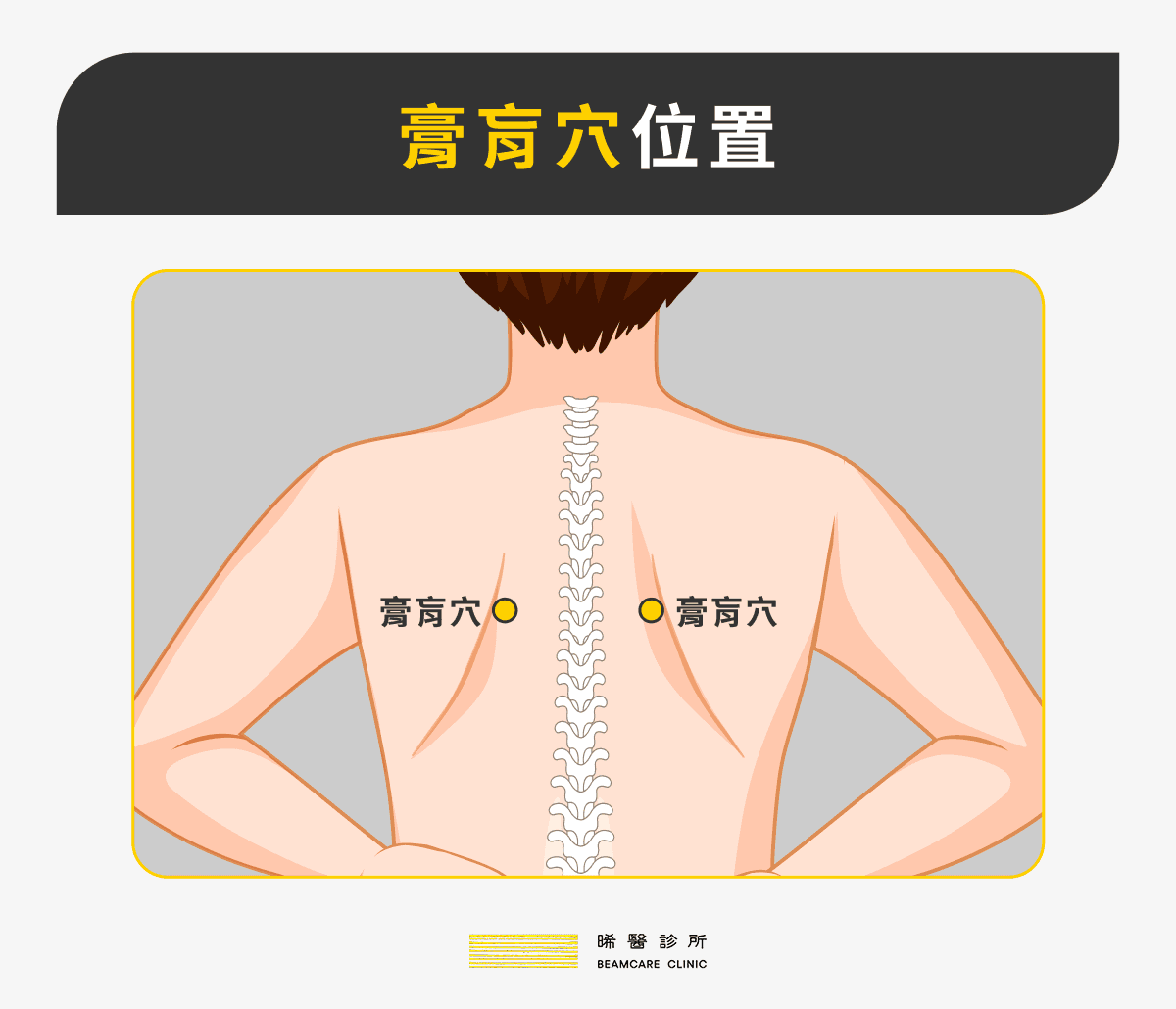
What people now commonly call “gaohuang pain” is a kind of soreness or dull ache that occurs in the upper back, especially deep on the inner side of the shoulder blade. Its location roughly corresponds to the Traditional Chinese medicine “Gaohuang point,” which lies between the 3rd and 4th thoracic vertebrae on the back, about two finger-widths from the inner edge of the scapula. This type of discomfort is mostly upper back pain caused by prolonged sitting or poor posture in modern people.
It is important to note that the feeling of gaohuang pain does not necessarily mean there is a problem with the Gaohuang point itself. This area contains the levator scapulae, rhomboids, thoracic facet joints, as well as surrounding nerves and fascia. When muscles are tight, posture is poor, or nerves are compressed, you may feel soreness on the inner side of the shoulder blade. Therefore, the pain may be a “referred” sensation and does not necessarily mean the acupoint itself is injured.
2. Why Does Gaohuang Pain Happen? 7 Major Causes Explained
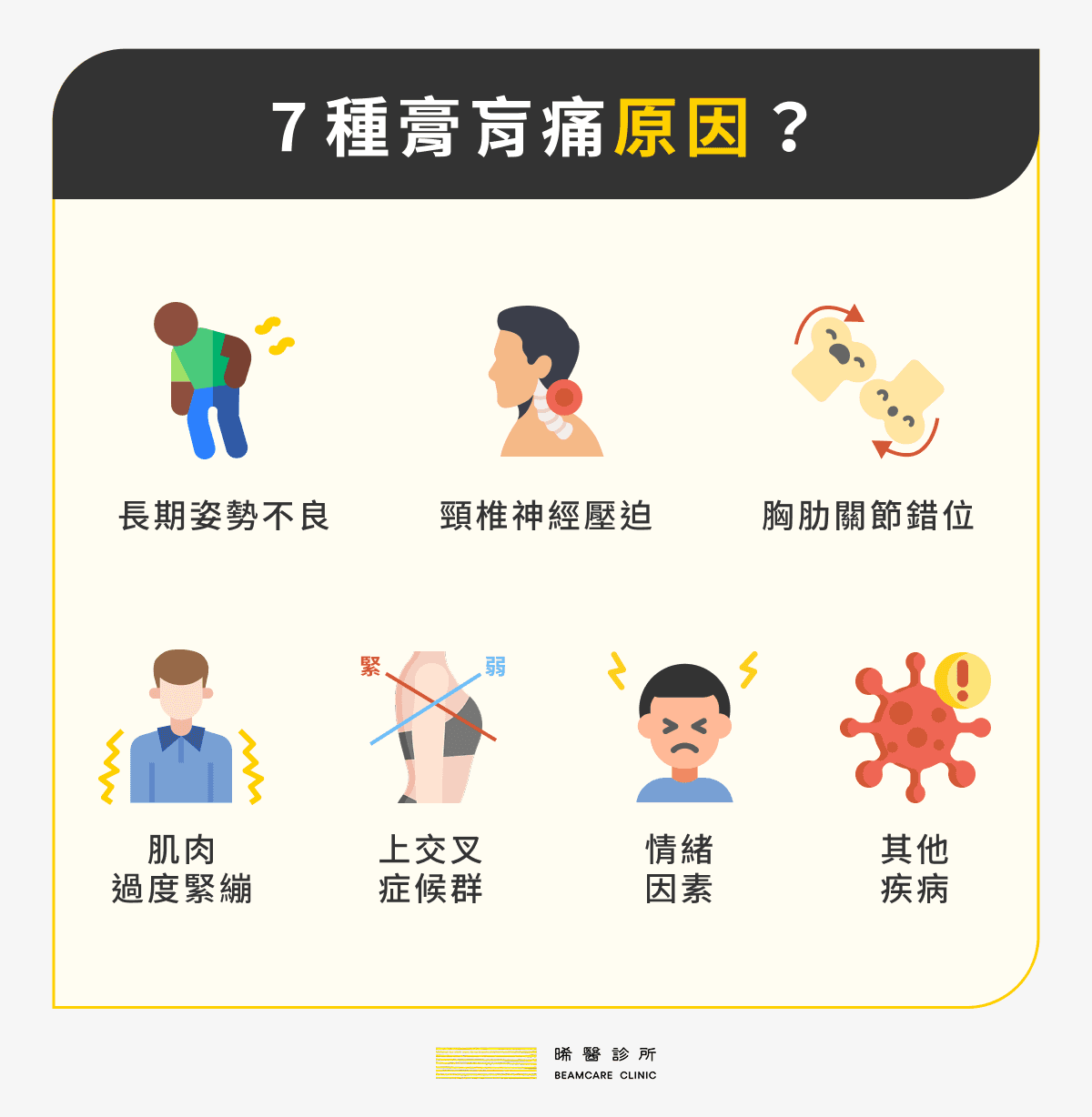
The causes of gaohuang pain are varied. In addition to local muscle tightness or bone and joint problems, it may also be related to nerve compression, posture habits, and even emotional stress or internal medical conditions. Understanding these potential factors can help pinpoint the root cause more accurately and choose the right treatment strategy.
(1) Long-term Poor Posture
Looking down at your phone for long periods, using a computer, or sitting for prolonged hours can cause the neck and thoracic spine to lean forward excessively, leaving the muscles around the shoulder blades in a constantly tight and stretched state. Over time, accumulated fatigue forms trigger points, which then lead to gaohuang pain.
(2) Cervical Nerve Compression
When a cervical disc herniation, bone spurs, or degeneration compresses a nerve root, pain signals may travel to the inner side of the shoulder blade, causing symptoms similar to gaohuang pain. This type of pain is usually accompanied by numbness, tingling, and even weakness in the arm.
(3) Costosternal Joint Misalignment
If trauma, poor posture, or degeneration causes misalignment of the costosternal joint, the surrounding nerves and soft tissues may be irritated, resulting in deep pain in the gaohuang region. This type of pain becomes more noticeable when taking a deep breath or turning the body.
(4) Excessive Muscle Tightness
There are many causes of muscle tightness, such as strain from lifting heavy objects or sprains caused by improper posture during exercise. When muscles become overly stiff, pressing on specific points can produce clear soreness.
(5) Upper Crossed Syndrome
Upper crossed syndrome refers to excessive tightness in certain muscle groups in the neck and upper back (such as the pectoralis major, pectoralis minor, and upper trapezius), leading to muscle imbalance and abnormal shoulder blade positioning, which in turn causes chronic pain in the gaohuang area. In addition to a dull ache there, it may also be accompanied by forward head posture, rounded shoulders, and increased thoracic kyphosis.
(6) Emotional Factors
When a person is under long-term stress, anxiety, or depression, the body tends to tense up unconsciously, especially the shoulder, neck, and upper back muscles. Persistent muscle tension can affect blood circulation, cause metabolic waste to accumulate, and lead to a dull, aching pain in the gaohuang area.
(7) Other Conditions
In addition to local muscle, bone, and nerve issues, certain internal medical conditions may also cause “referred pain,” showing up as back pain or discomfort in the gaohuang region:
Shingles: The virus affects the nerves in the back, and the inner side of the shoulder blade may develop severe burning or stabbing pain.
Internal organ problems:
Stomach: Conditions such as stomach ulcers or gastroesophageal reflux may cause pain that is referred to the middle back.
Kidneys: When kidney stones or kidney inflammation occur, pain may also radiate to the upper back near the gaohuang area.
Cardiovascular disease: Although less common, heart conditions such as angina or myocardial infarction can also cause back pain, especially in the left scapular area. These are usually accompanied by more serious symptoms such as chest tightness and shortness of breath, and you should seek medical attention immediately.
3. What Are the Symptoms of Gaohuang Pain? 6 Common Symptoms to Know
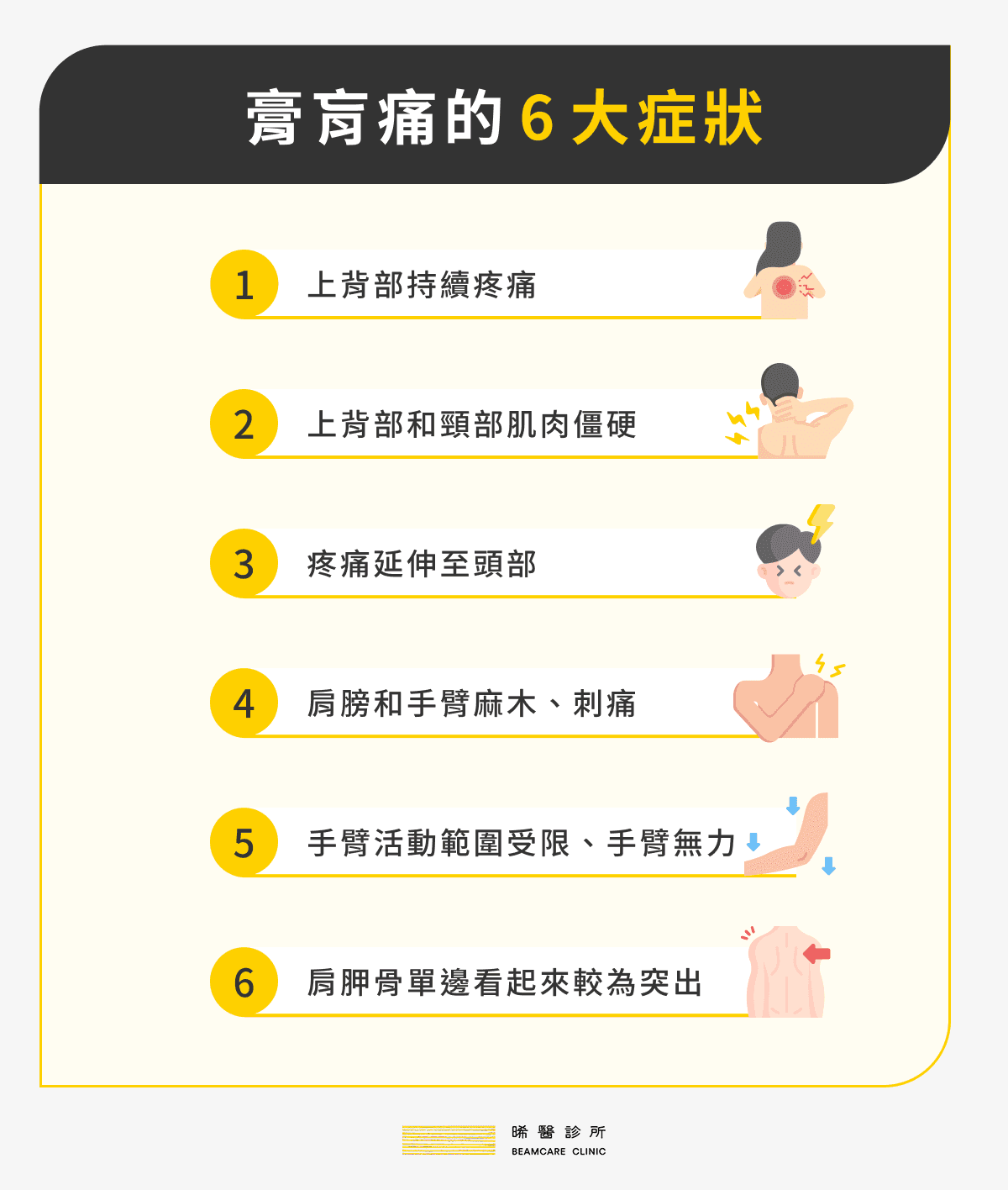
Gaohuang pain can present differently from person to person. In addition to local pain, it may also come with muscle stiffness, nerve compression symptoms, and even affect arm movement and head sensations. Below are 6 common symptoms of gaohuang pain for reference:
(1) Persistent Upper Back Pain
A dull, stuffy ache or soreness in the upper back is one of the most typical and common symptoms of gaohuang pain. This pain may be constant or come and go intermittently. It usually becomes more noticeable and worsens during upper back muscle activity such as stretching, twisting, or lifting heavy objects.
(2) Stiff Upper Back and Neck Muscles
The muscles in the gaohuang area are closely linked with the neck muscles. When gaohuang pain flares up, it is often accompanied by stiffness in the upper back and neck, limiting range of motion. Common signs include difficulty turning the head, or a feeling of tightness and restriction when lifting the shoulders or extending backward.
(3) Pain Radiating to the Head
When the shoulder, neck, and upper back muscles are overly tight, local trigger points can easily refer pain upward and cause headaches. The most common presentation is a tight or dull ache at the back of the head, sometimes extending to the temples or forehead and creating a sense of pressure. This symptom is often mistaken for a migraine, but it is actually closely related to upper back muscle problems.
(4) Numbness and Tingling in the Shoulder and Arm
If gaohuang pain is caused by cervical nerve compression, numbness or tingling may occur in the shoulder and arm. The symptoms can even extend to the elbow and fingers, and nerve compression may worsen in certain postures or angles, making the numbness more obvious.
(5) Limited Arm Range of Motion and Arm Weakness
In addition to numbness and tingling, severe nerve compression or muscle imbalance can also affect arm range of motion. For example, you may have difficulty raising your arm, trouble combing your hair or putting on and taking off clothes, or明显 reduced arm strength and an inability to lift heavy objects. This is a warning sign of nerve damage and should be taken seriously.
(6) One Shoulder Blade Appears More Prominent
Long-term poor posture or muscle imbalance can easily cause shoulder blade displacement, leading to pain in the gaohuang area and possibly making one scapula protrude more or appear at an asymmetrical angle, which is visibly noticeable from the outside.
If you notice any one or more of the symptoms above, especially if the pain persists, affects daily life, or is accompanied by numbness, weakness, or other neurological symptoms, please seek professional medical diagnosis and treatment as soon as possible. Early intervention can effectively relieve gaohuang pain and help you regain a relaxed and comfortable physical state!
Do you have wrist pain? Let Xi Yi Clinic help you find the root cause and create a personalized treatment plan! |
4. Will Gaohuang Pain Go Away on Its Own? Which Specialty Should You See?
(1) Will Gaohuang Pain Go Away on Its Own? How Long Does It Take?
If the gaohuang pain is caused only by short-term muscle tightness, stress, lack of sleep, or temporary poor posture, it usually improves with rest, heat therapy, and a little movement, and the pain can noticeably ease within about 1 to 2 days.
However, if the pain lasts more than 2 weeks, keeps coming back, or is accompanied by neck and shoulder stiffness, deep soreness in the upper back, or pain that is especially tender to pressure, it may indicate long-term myofascial tightness or imbalance in the scapular muscles. Rest alone is unlikely to fully resolve it, and improvement usually requires treatment or exercise adjustments.
(2) Which Department Should You Visit for Gaohuang Pain?
The causes of gaohuang pain vary, so the appropriate treatment specialty also differs. Choosing the right specialty based on the underlying cause can help clarify the problem and lead to proper treatment more effectively. Below are common causes and suggested specialties for reference:
Orthopedics: If gaohuang pain is accompanied by obvious discomfort in the scapula, spine, or joints—for example, popping sounds during movement, limited range of motion, or suspicion of joint instability due to past trauma—it is recommended to visit orthopedics for comprehensive imaging studies and a physical examination to confirm whether the problem is caused by structural issues in the bones, joints, or ligaments.
Internal Medicine or related specialties: Gaohuang pain may sometimes be “referred pain” caused by internal organ conditions such as heart, lung, gastrointestinal, liver, or gallbladder problems. If pain in the gaohuang region is also accompanied by chest tightness, chest pain, shortness of breath, stomach pain, abdominal bloating, lower back pain, abnormal urination, or other symptoms, you should first choose the corresponding specialty for evaluation to clarify the cause.
Pain Medicine: If bone and internal organ problems are ruled out, gaohuang pain may stem from myofascial pain or poor posture. In that case, you can visit Pain Medicine for a detailed evaluation and consultation to identify the source of pain. Before the condition worsens, symptoms can be relieved through physical therapy, traction, exercise guidance, and minimally invasive injections, helping you avoid surgery.
Traditional Chinese Medicine: If you want to improve gaohuang pain from the perspective of body constitution adjustment and meridian circulation, Traditional Chinese Medicine is a good complementary option. Techniques such as acupuncture, cupping, tuina massage, and herbal regulation can promote qi and blood circulation, relieve upper back discomfort caused by qi and blood stagnation, and enhance overall recuperation.
Rehabilitation Medicine: Gaohuang pain is often related to imbalance in the levator scapulae, rhomboids, and muscles around the thoracic spine, such as long-term neck flexion while using a phone or prolonged computer work. Rehabilitation Medicine identifies the pain source through posture assessment, muscle strength testing, and movement analysis, and combines physical therapy (heat therapy, electrotherapy, traction), myofascial release, and exercise training to help improve muscle imbalance and poor movement habits.
5. What Can You Do About Gaohuang Pain? 4 Treatment Options Explained
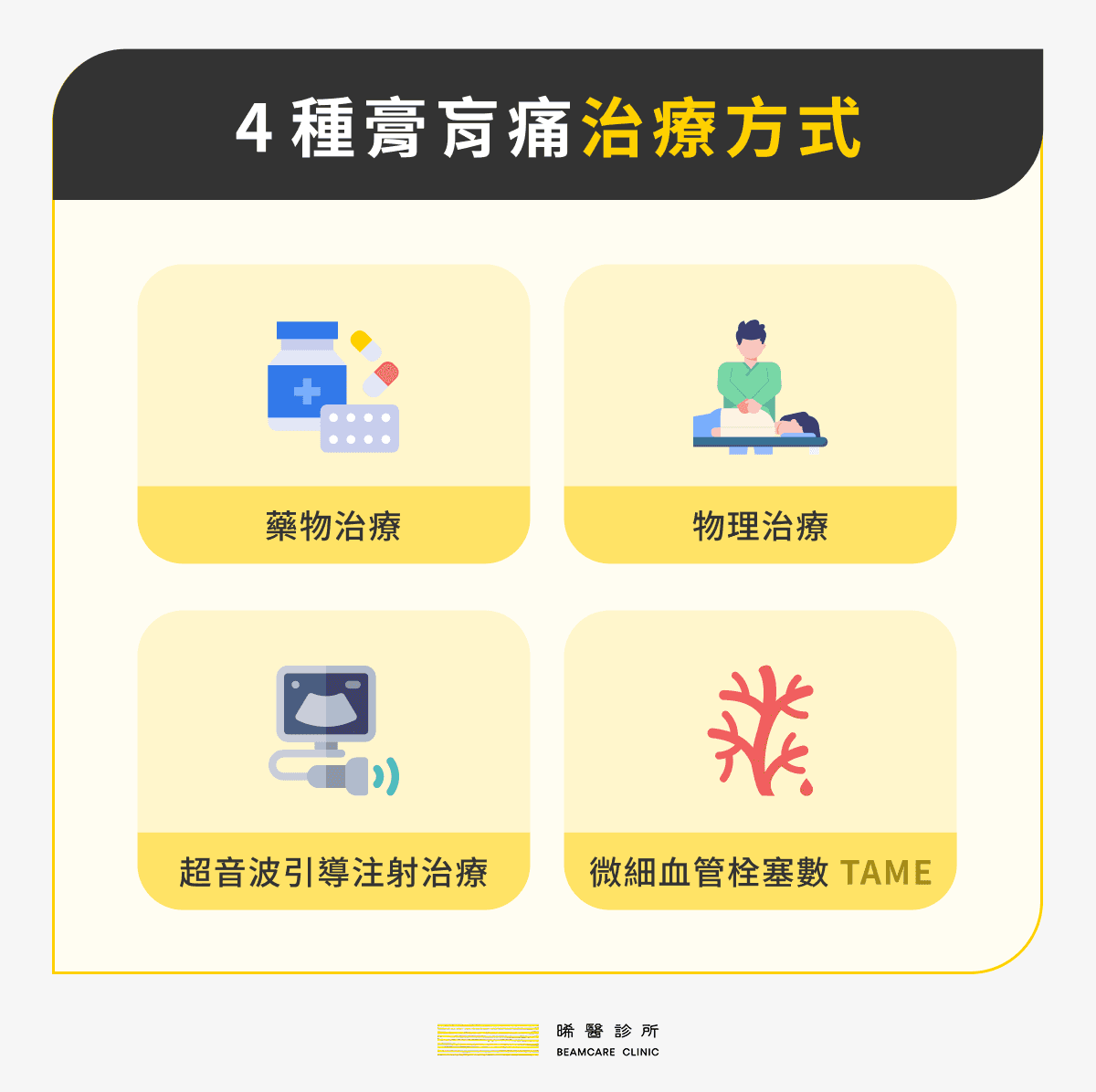
Treatment Option 1: Medication
Medication is usually the first choice in the early or acute stage of gaohuang pain, as it can quickly relieve pain and reduce inflammation. Common medications include nonsteroidal anti-inflammatory drugs (NSAIDs), muscle relaxants, and topical pain relievers such as patches, gels, or ointments. If nerve compression is involved, some patients may also need steroid medication for control.
However, please note that whether it is oral medication or topical medication, it should be used only after evaluation by a physician. In addition, while medication can quickly improve pain symptoms, it cannot cure the root cause of gaohuang pain. To thoroughly solve the problem, it is still recommended to combine it with other treatment methods.
Treatment Option 2: Physical Therapy
Physical therapy is one of the most important ways to improve gaohuang pain. Through non-invasive treatments such as heat and electrotherapy, laser therapy, manual therapy, and exercise therapy, it can promote blood circulation, help relax muscles, correct poor posture, and realign displaced joints, gradually treating gaohuang pain while reducing the risk of recurrence.
Treatment Option 3: Ultrasound-Guided Injection Therapy
When the local pain point is clear and accompanied by fasciitis or muscle trigger points, precise injection therapy can also be performed under ultrasound guidance. Common procedures include:
Trigger Point Injection (TPI): Using ultrasound to confirm the location of the trigger point, a local anesthetic or saline is injected into the tense muscle to quickly relax the muscle and relieve pain.
Prolotherapy: For chronic pain or ligament laxity, glucose solution or an irritating solution is injected to promote tissue repair and proliferation and stabilize joint structures.
Platelet-Rich Plasma (PRP) Injection: PRP rich in growth factors is extracted from the patient’s own blood and injected into the damaged tissue to accelerate the repair process.
Treatment Option 4: Microvascular Embolization (TAME)
Chronic inflammation or damaged tissue is often accompanied by abnormal microvascular proliferation. These newly formed blood vessels not only carry pain factors but may also themselves become a source of pain.
Microvascular Embolization (TAME) uses catheter-based techniques to inject extremely small embolic materials into abnormal blood vessels, blocking blood flow supply, thereby reducing the release of pain factors and achieving long-lasting pain relief.
Do you have wrist pain? Let Xi Yi Clinic help you find the root cause and create a personalized treatment plan! |
6. How Can You Relieve Gaohuang Pain? Home Relief Methods at a Glance!
When gaohuang pain flares up, in addition to seeking diagnosis and treatment from a professional physician, you can also use simple home care methods in daily life to relieve gaohuang pain and improve muscle stiffness and posture problems. Below are 6 safe and effective relief methods:
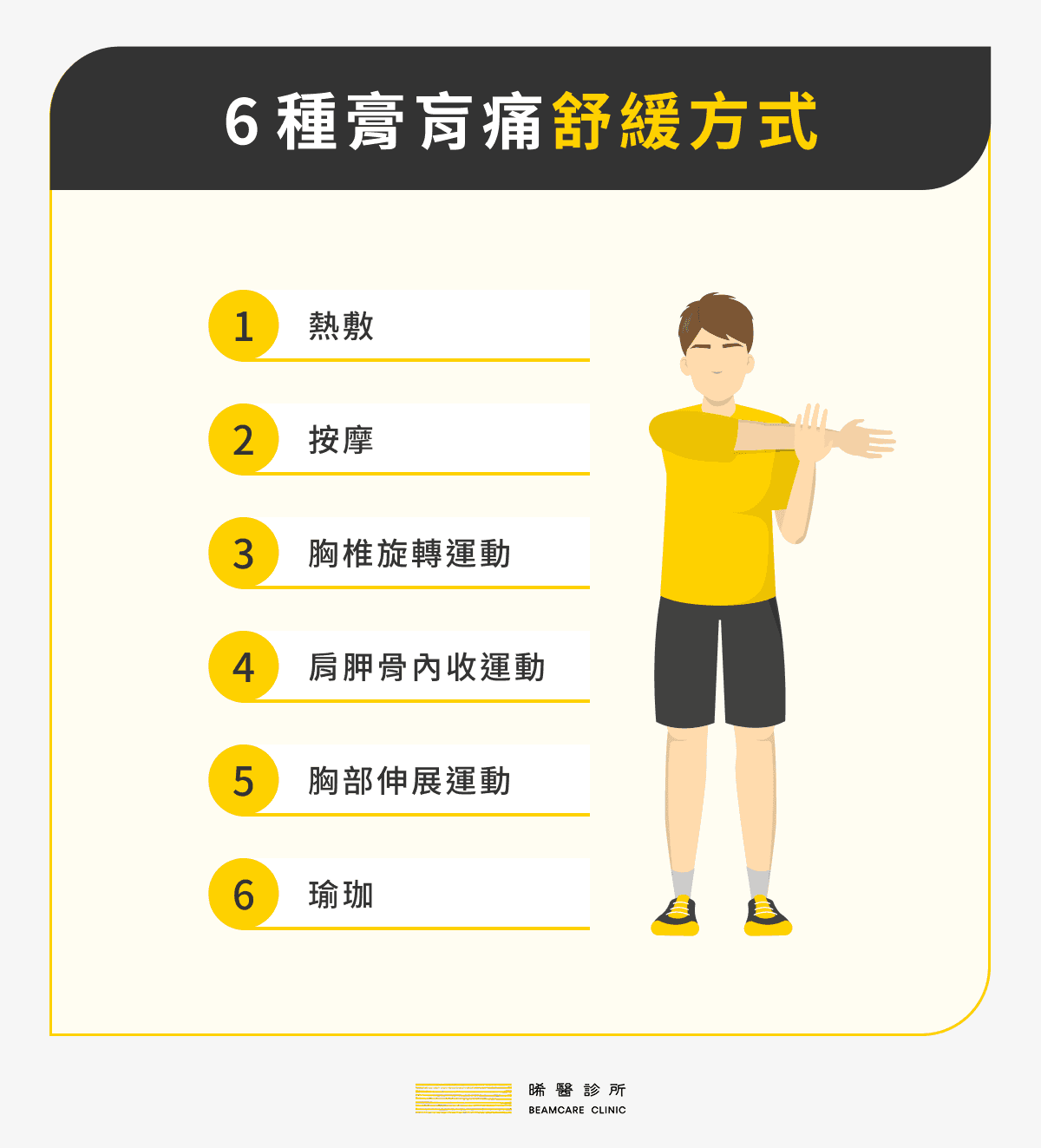
(1) Heat Therapy
Heat therapy can effectively promote local blood circulation and help relax stiff and tight muscles. It is recommended to use a hot towel, heat pack, or heating pad on the painful gaohuang area for about 15 to 20 minutes, 2 to 3 times a day. If the muscles are especially stiff or painful, you can increase the frequency.
(2) Massage
Gentle massage can help relax tight muscles and improve local blood circulation, and it is especially effective for early neck and shoulder stiffness. At home, you can use a tennis ball or myofascial ball, place it on the painful point on the inner side of the shoulder blade, and gently roll against a wall or the floor. Once you find the sore gaohuang point, apply moderate pressure.
You can also use an electric massager or massage gun to massage tight muscle areas, but be careful not to use excessive force and avoid direct impact on bones.
(3) Exercise
Appropriate stretching and strengthening exercises are the key to improving gaohuang pain. By increasing thoracic mobility, relaxing tight muscle groups, and strengthening the stabilizing muscles around the scapula, you can effectively reduce the burden on the upper back and improve long-term accumulated soreness. Below are a few simple, safe movements you can do at home to help relax the gaohuang area and restore strength and stability.
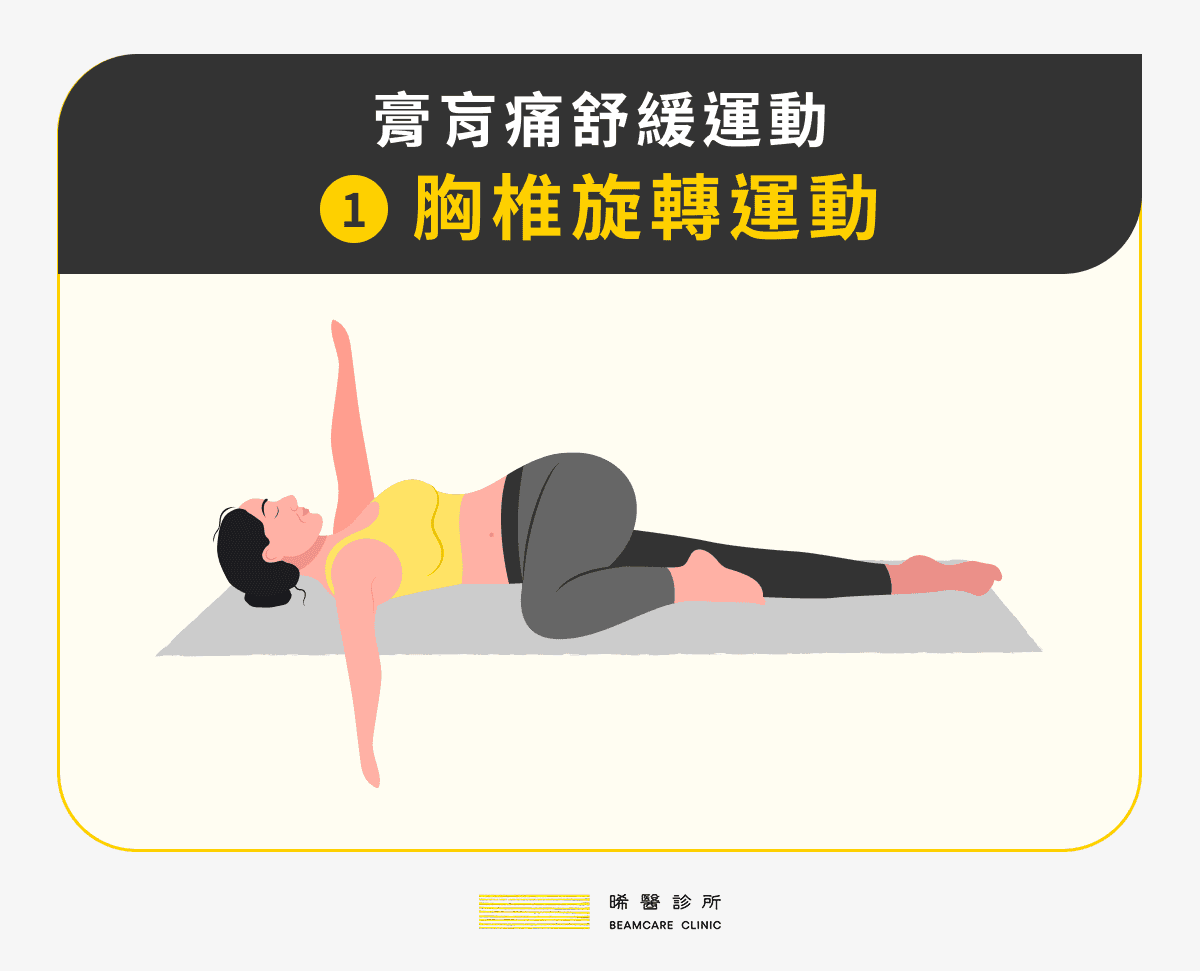
[Thoracic Rotation Exercise]
Thoracic rotation exercises can stretch and relax many muscles around the shoulders and thoracic spine at the same time, such as the pectoralis major, pectoralis minor, and intercostal muscles. They are especially good relaxation exercises for office workers who sit for long periods and for people who often feel stiff in the neck and shoulders.
Exercise steps:
Lie on your side on the floor with a pillow under your head to support the neck, and extend both hands straight toward your eyes. Keep the leg closer to the floor straight down, bend the leg closer to the ceiling to 90 degrees, and raise the knee so it is not resting directly on the floor.
Slowly open the hand closer to the ceiling outward until you reach your limit, and hold for 20 to 30 seconds. Be sure to keep your pelvis and legs still while opening.
Slowly return the opened hand to the starting position to complete one thoracic rotation.
It is recommended to do 10 rotations per session, 2 to 3 times a day.
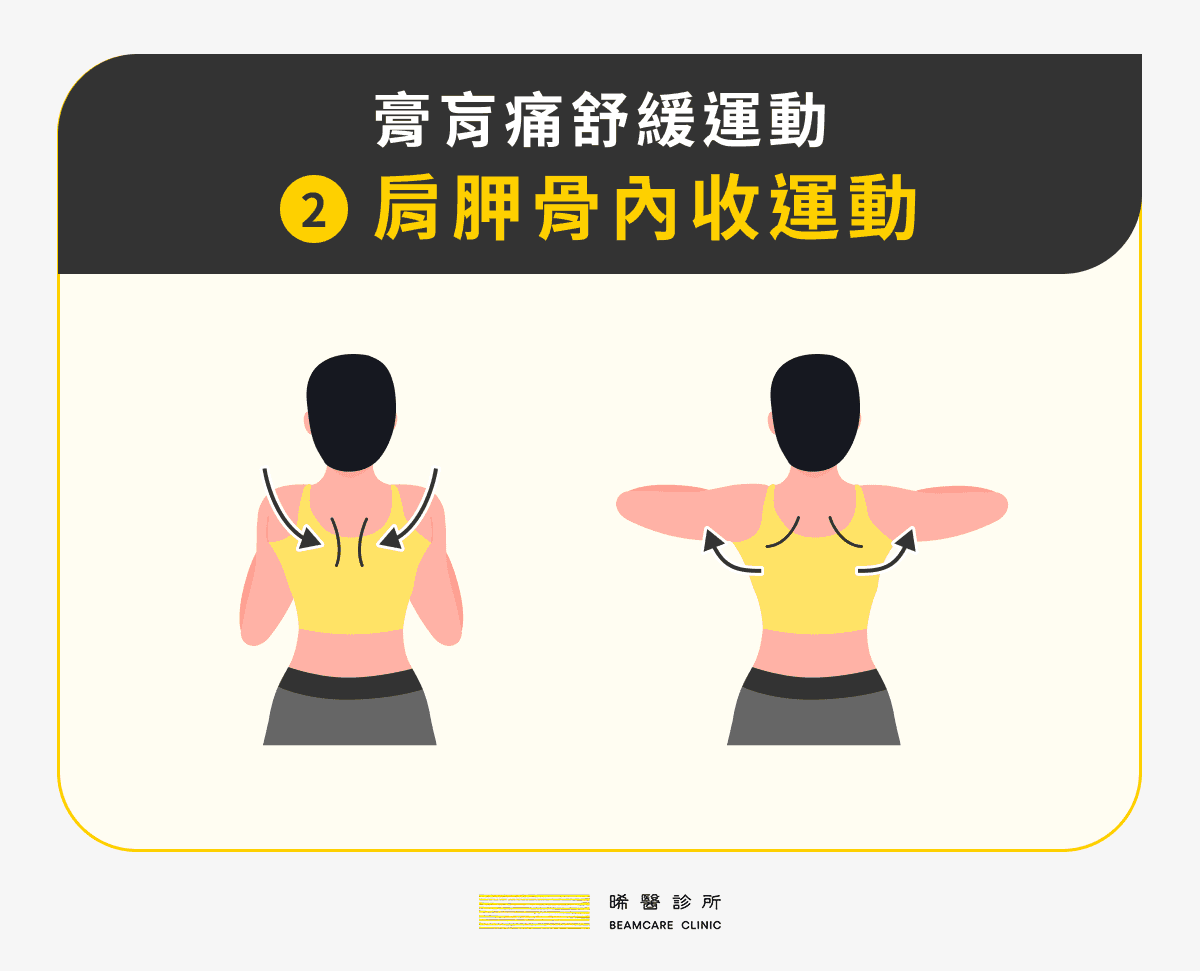
[Scapular Retraction Exercise]
Scapular retraction is a soothing exercise that can be done at home, in the office, standing, or sitting. As long as you keep your chest lifted and let your arms hang naturally at your sides, you can slowly squeeze both shoulder blades toward the spine, hold for 5 seconds, and then relax.
Scapular retraction strengthens the surrounding muscles, such as the rhomboids and lower trapezius, which helps correct rounded shoulders and postural imbalance and reduces pressure in the gaohuang area.
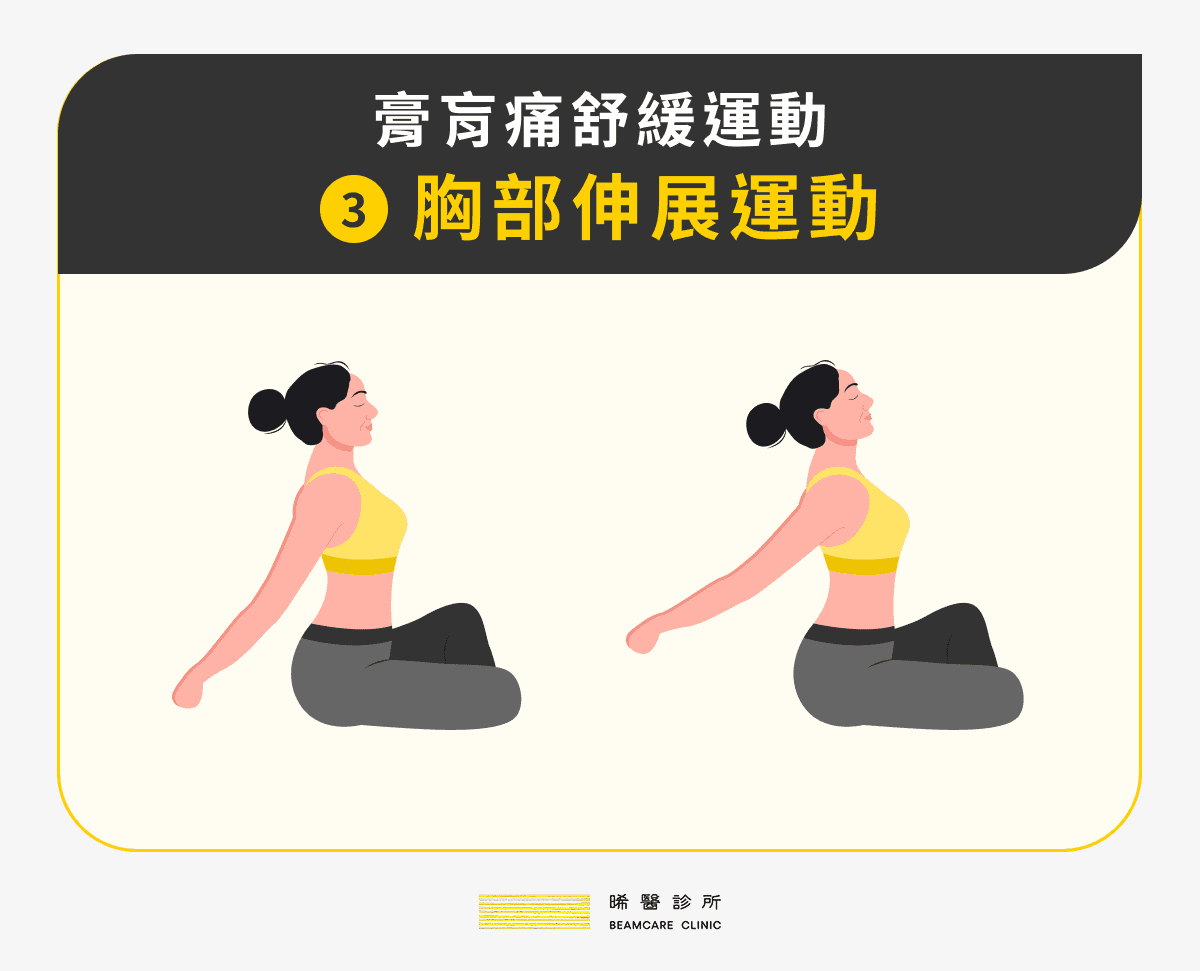
[Chest Stretch]
The chest stretch is done by clasping your hands behind your back with the palms facing each other or interlaced, then slowly pulling the joined hands backward and downward while pushing the chest forward to feel the stretch in the chest muscles. Hold at the limit for 15 to 20 seconds, then relax.
Stretching the chest helps balance the muscles of the chest and back, increases flexibility, and relieves the muscle tightness and gaohuang pain caused by long-term hunching.
[Yoga]
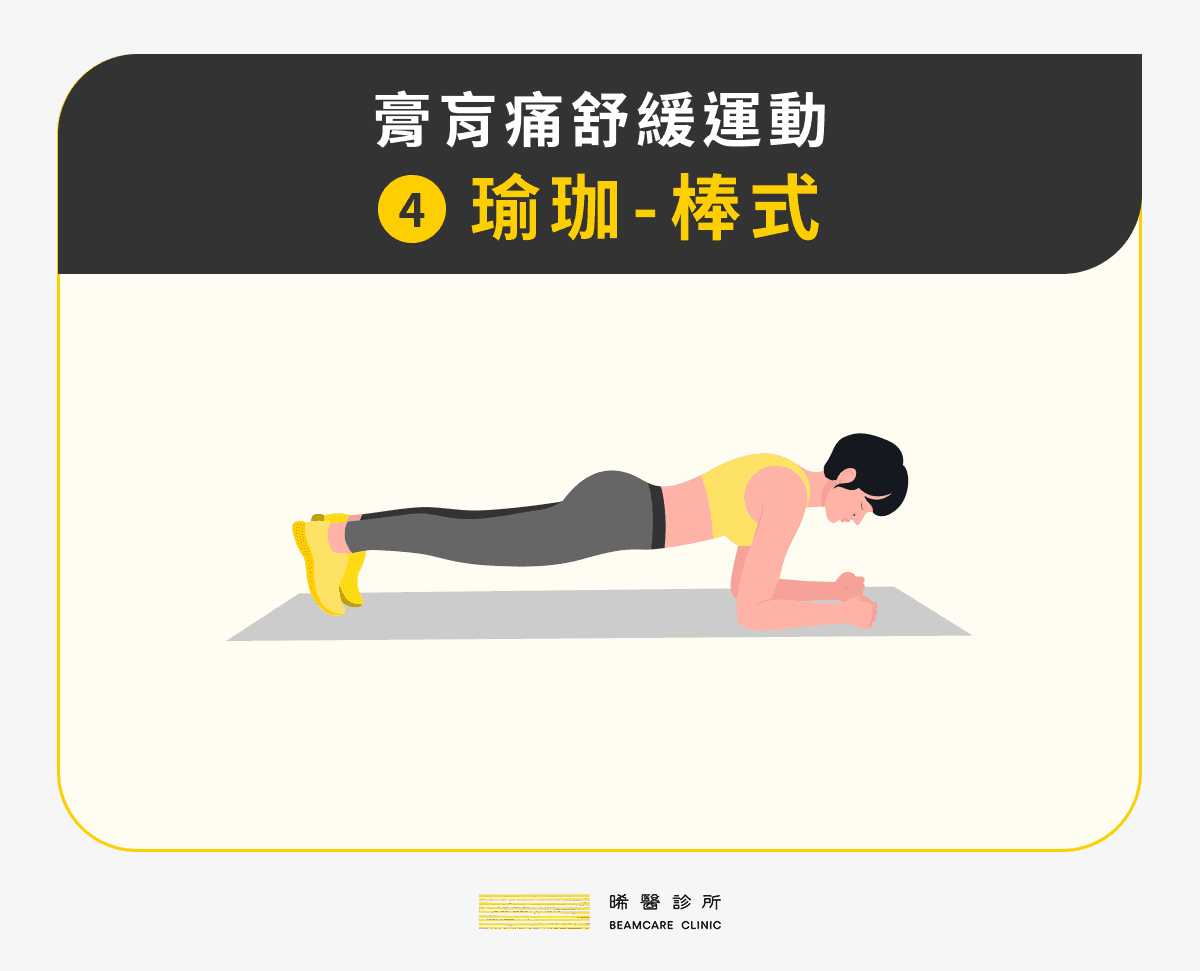
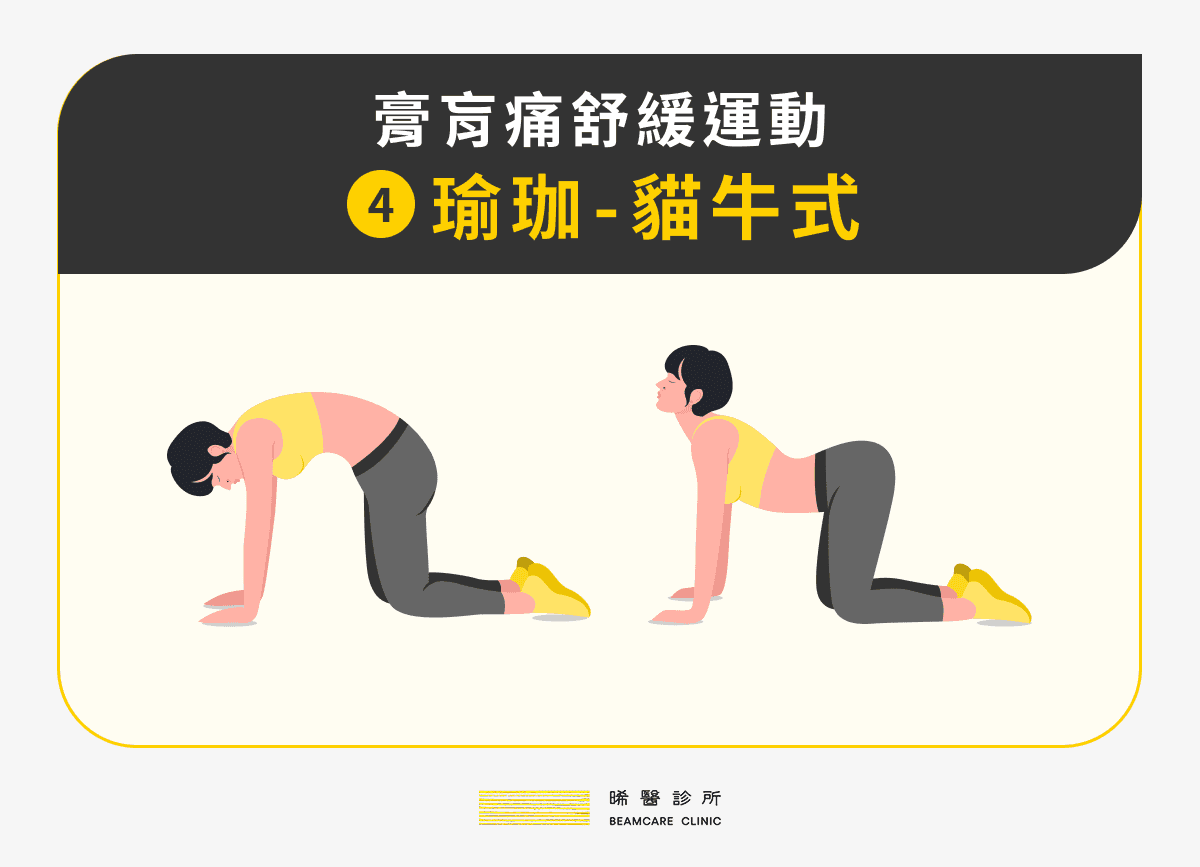
Some yoga poses can also help relieve stiffness in the shoulders and back and improve muscle flexibility, such as:
Plank: Strengthens the core and overall stability, improving the support provided by the back muscles.
Cat-Cow Pose: Dynamically stretches the thoracic spine and back muscles, increasing spinal mobility.
7. Not Sure What’s Causing Your Gaohuang Pain? Let Xi Yi Clinic Create a Personalized Treatment Plan for You!
“Gaohuang pain,” this deep and elusive upper back pain, can be truly troublesome. If gaohuang pain is affecting your quality of life, consider letting “Xi Yi Clinic” help you find the real cause and solve the pain problem.
Xi Yi Clinic integrates image-guided techniques, pain medicine, orthopedics, Traditional Chinese Medicine, and functional medicine to provide a comprehensive evaluation of gaohuang pain. We offer ultrasound-guided injections (PRP, nerve release), myofascial release, manual therapy, and other treatment options, tailoring each course of treatment to the individual patient to help improve fascial tightness and nerve entrapment. No surgery is needed, recovery is short, and the results are long-lasting.
We also design exercise therapy plans and nutritional recommendations based on your physical condition and lifestyle, combined with integrated Chinese medicine care, to enhance your self-healing ability from the inside out and reduce the chance of pain recurrence.
Xi Yi Clinic adheres to the philosophy of “not just treatment, but companionship,” ensuring that every patient feels cared for and professionally supported from diagnosis through follow-up.
Do you have wrist pain? Let Xi Yi Clinic help you find the root cause and create a personalized treatment plan! |
