
What Should You Do About a Stiff Neck? Learn the 8 Main Causes of Neck Stiffness and How to Relieve It, and Quickly Treat Stiff Neck Discomfort!
What Should You Do About a Stiff Neck? Learn the 8 Main Causes of Neck Stiffness and How to Relieve It, and Quickly Treat Stiff Neck Discomfort!
Article Summary
What should you do for a stiff neck (stiff neck from sleeping/torticollis)? One move to help relieve the discomfort! This article will analyze the symptoms and causes of a stiff neck, share 5 quick at-home relief methods for treatment, explain how long it takes to recover, show you which doctor's department to visit, and provide 7 prevention methods to keep you free from neck pain!
I. What Is a Stiff Neck (Torticollis)?
A "stiff neck" (often referred to in Chinese as "falling off the pillow") is also known as acute cervical muscle strain or sprain, or acute neck stiffness. It refers to a sudden onset of neck stiffness and pain upon waking up in the morning, which limits neck rotation. This condition is usually related to poor sleeping posture, an unsuitable pillow height, or holding the neck in the same position for an extended period.
Although a stiff neck is generally not a severe medical condition, the accompanying pain and limited range of motion can still affect your quality of life and cause significant inconvenience in daily activities. Common symptoms include:
Neck stiffness and difficulty turning the head: The most typical symptom, where turning left or right feels stuck, restricted, or pulled.
Localized soreness and tender points: One side of the neck is particularly tight, with pronounced pain upon pressing.
Discomfort radiating to the shoulder or upper back: Pain or soreness may extend to the neck-shoulder area and around the shoulder blades, becoming more noticeable during movement.
Tightness or aching in the back: Postural compensation puts more stress on the upper back and shoulder blade areas, leading to associated pain.
Accompanying headaches: Excessive muscle tightness can easily affect blood flow or posture in the head, leading to dull or throbbing headaches.
Restricted range of motion: Activities like tilting, raising, or lifting your arms can become unnatural due to "referred pain."
Symptoms of a stiff neck are usually most noticeable upon waking up in the morning, when the neck feels exceptionally stiff. For some people, the symptoms may gradually ease with movement or light warm-ups. If you exhibit these signs, you are likely experiencing a typical case of a sleep-induced stiff neck.
II. Why Do We Get a Stiff Neck? 8 Common Causes Revealed!
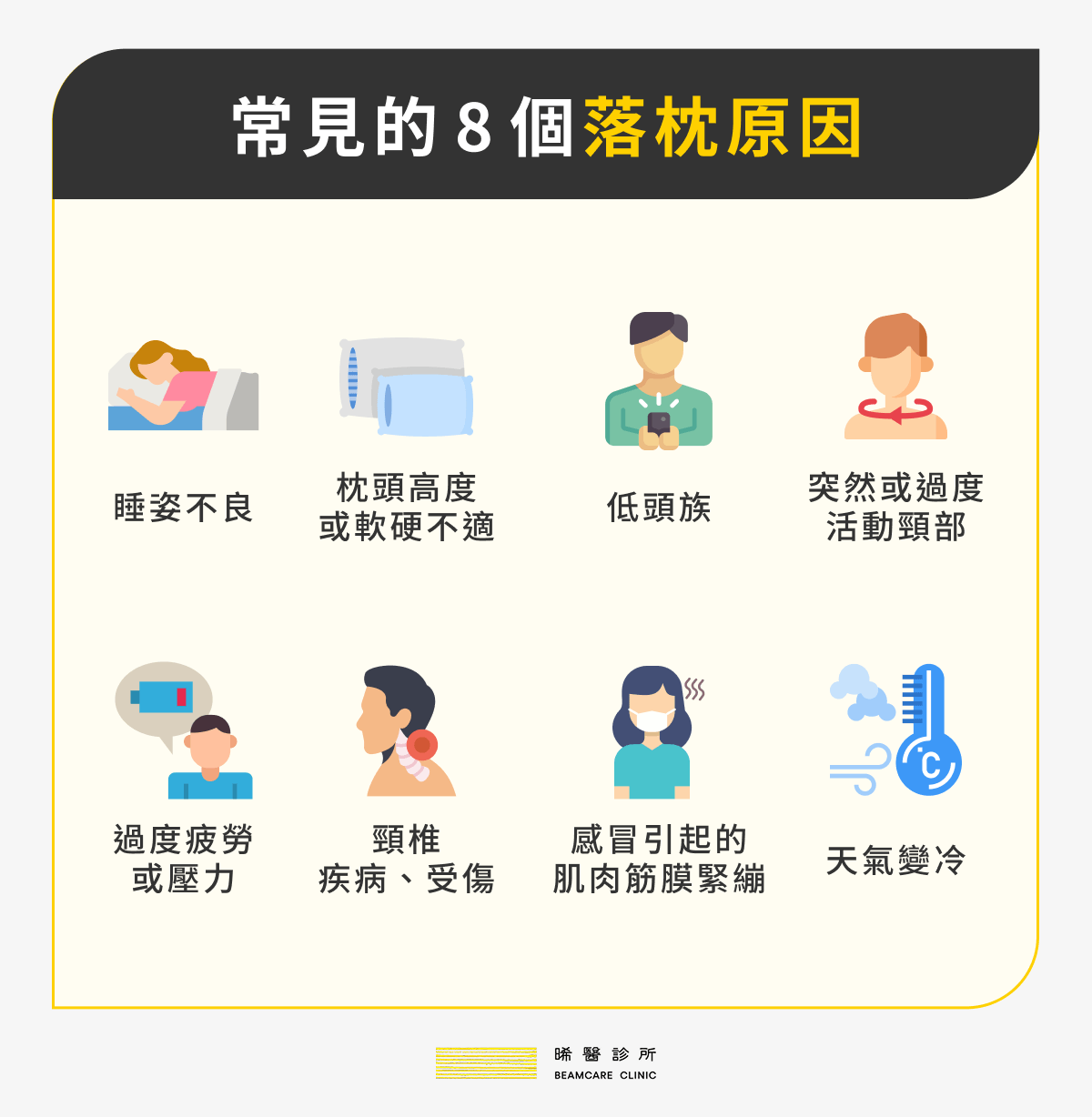
1. Poor Sleeping Posture
During sleep, muscles and joints remain still. If your sleeping posture is unbalanced, the muscles around the cervical spine will bear asymmetric pulling forces all night. Naturally, you will wake up for the day feeling sore, tight, or even unable to turn your head. Examples include:
Sleeping on your side with the head tilted forward or backward: This twists the cervical spine into a curve, stretching muscles on one side while keeping the other side contracted and unable to balance.
Sleeping on your stomach with the neck forced to turn to one side for long periods: This is equivalent to keeping your neck in a "look back" position all night, putting massive strain on muscles and joints.
Sleeping on your back with the head tilted to one side: Although lying flat seems fine, the neck is still held at a rotated angle. Certain small muscle groups are pulled all night long, potentially leading to a stiff neck the next day.
A "twisted posture" (half-side, half-back lying): With the body twisted one way and the neck twisted another, the neck and back muscles struggle to provide coordinated support, easily leading to localized muscle fatigue and inflammation.
2. Unsuitable Pillow Height or Firmness
If the height or firmness of your pillow fails to support the natural physiological curve of your cervical spine, it may subject your neck to improper pressure during sleep, causing muscle tension and increasing the risk of waking up with a stiff neck.
3. "Text Neck" (Frequent Smartphone Users)
Modern lifestyles involve staring down at smartphones, tablets, and laptops for long periods, keeping the neck muscles constantly tense. This leads to accumulated fatigue, muscle inflammation, and a higher risk of developing a stiff neck.
4. Sudden or Excessive Neck Movements
An abrupt turn of the head, improper neck exertion when lifting heavy objects, or insufficient stretching after intense exercise can easily strain neck tissues and cause a stiff neck.
5. Excessive Fatigue or Stress
Chronic stress, lack of sleep, and physical fatigue make it hard for neck muscles to relax, making them prone to pain triggered by posture changes while resting.
6. Cervical Spine Disorders or Injuries
If you suffer from cervical spine degeneration, a herniated disc, or have had a neck injury, your neck will be more sensitive, naturally raising the risk of stiffness.
7. Myofascial Tightness Due to a Cold
When the body fights off a virus, it is often accompanied by an inflammatory response that causes muscles and fascia to become stiff and tight. Slight twisting during sleep can then easily trigger a stiff neck.
8. Cold Weather
When the weather turns cold or room temperatures are too low, leaving the neck exposed to cold air for long periods can cause muscle contraction and poor blood circulation. As the neck muscles gradually stiffen, even a slightly improper sleeping posture can increase the chance of getting a stiff neck.
III. How to Treat a Stiff Neck Fast? 5 Ways to Quickly Relieve Pain and Discomfort!
When a stiff neck strikes and you can't move your neck, the feeling is truly unbearable! While there is no instant magic cure, there are several effective methods to help you quickly ease the discomfort and speed up your neck's recovery.
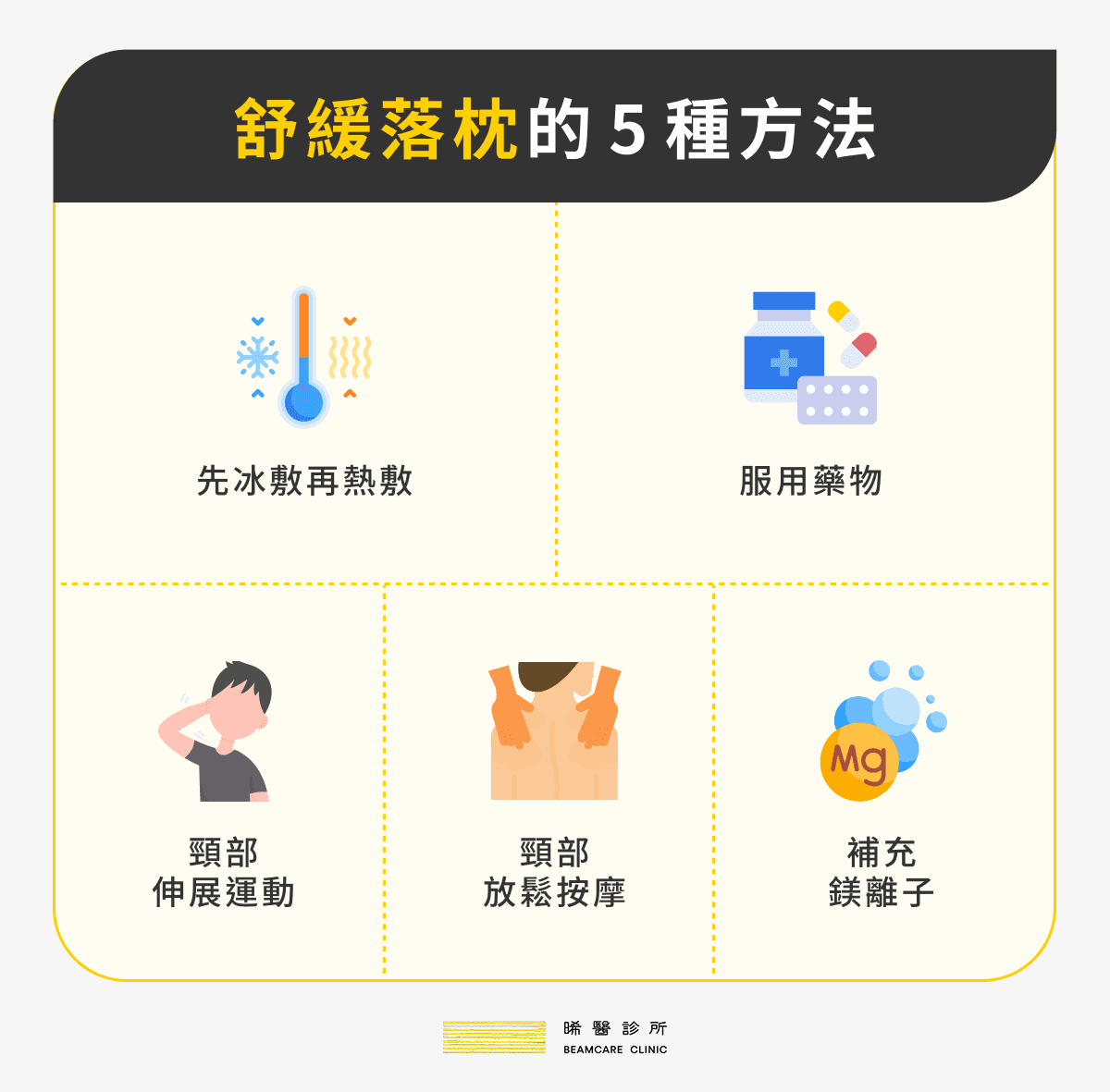
Stiff Neck Relief Method 1: Cold Compress First, Then Hot Compress
Within the first 1 to 2 days of a stiff neck, it is recommended to apply a cold compress to help relieve pain and reduce inflammation. Once past the acute stage, switch to a hot compress to promote blood circulation in the neck and speed up muscle tissue repair.
Stiff Neck Relief Method 2: Medication
After a doctor's diagnosis confirms that the stiff neck is unrelated to bone or nerve issues, anti-inflammatory painkillers or muscle relaxants are usually prescribed to help reduce symptoms. Although medication can treat a stiff neck quickly and relieve discomfort, you should always consult a professional physician before taking any medication.
In addition, you can purchase patches or ointments containing mild pain-relieving and anti-inflammatory ingredients at a drugstore. These can directly penetrate the skin to act on the tight areas, making them a convenient and immediate relief option.
Stiff Neck Relief Method 3: Neck Stretching Exercises
First, relax your shoulders, then slowly tilt your head toward the "non-painful side," gradually bringing your ear toward your shoulder. Hold for 10 seconds and return to center. If you feel any pain, stop immediately. Repeat 3 to 5 times. Next, gently lower your head forward so the back of your neck is slightly stretched, holding for 10 seconds. This helps promote blood circulation and reduce muscle stiffness. However, avoid sudden or violent turning and stretching to prevent injury!
Stiff Neck Relief Method 4: Neck Relaxation Massage
You can gently massage the stiff, painful muscles around the neck to help them relax. However, avoid applying excessive pressure directly to the tender spots. If the massage causes pain, stop immediately and let your neck muscles rest.
Stiff Neck Relief Method 5: Magnesium Supplementation
Magnesium is an essential mineral for maintaining nerve and muscle function. It helps relieve muscle spasms, tightness, and pain, promotes blood circulation, and effectively eases the neck stiffness and pain caused by a stiff neck.
If you unfortunately get a stiff neck, you can supplement magnesium through the following 3 ways after consulting a professional physician:
Dietary Intake: Eat more foods rich in magnesium, such as spinach, nuts, bananas, and whole grains.
Oral Supplements: Take 100 to 300 mg of magnesium tablets or powder daily.
Topical Magnesium Oil: Apply directly to the stiff neck area to help soothe and absorb.
However, please remember to follow medical advice to supplement appropriate amounts of magnesium and avoid side effects like gastrointestinal discomfort or diarrhea caused by excess intake.
Furthermore, if you have tried the above 5 methods and still cannot effectively relieve your stiff neck, or if the symptoms worsen, make sure to seek medical attention immediately for a professional diagnosis and assistance.
Are you suffering from a stiff neck or neck and shoulder pain? Let Sunrise Clinic find the root cause and customize a treatment plan for you! |
IV. How Long Does a Stiff Neck Last? When Should You See a Doctor? FAQs Answered
Q1: How long does it usually take to recover from a stiff neck?
Generally speaking, a stiff neck is a short-term discomfort, and the symptoms usually ease significantly within 1 to 3 days, with stiffness and restriction in head turning gradually subsiding. If the muscle stiffness is severe, it usually enters a recovery phase of 3 to 5 days, at which point you can move normally but may still feel pulled or painful with larger movements. For a small number of people who already have chronic neck and shoulder tightness, symptoms may drag on for 1 to 2 weeks before full recovery, requiring continuous hot compresses, stretching, and postural adjustments to help the muscles truly relax.
Q2: Do I need to see a doctor for a stiff neck? Which department?
If the pain significantly impacts your daily life, or if the symptoms do not improve after more than 2 weeks and turn into a "chronic stiff neck," it is recommended to visit an orthopedics or rehabilitation medicine (physical medicine) department as soon as possible to confirm if the issue lies in the muscles or bones and to check for other potential cervical spine and nerve issues to avoid delaying treatment.
If you require a more precise diagnosis and an integrated prescription, a specialized "pain clinic" that handles acute and chronic pain is also a great fit. Professional physicians can rule out complex roots of pain through in-depth examinations and construct a personalized treatment plan to help you quickly escape the torment of pain.
Q3: Does a stiff neck only occur upon waking up?
Although "waking up to find a painful neck" is the most typical scenario, a stiff neck actually does not only happen when waking up from sleep.
Poor neck postures, such as tilting your head to work or drive for long hours, looking down at your phone, sitting or standing with a slouched posture, or straining muscles through sudden large-range head turns, can all trigger a stiff neck.
Q4: How can I tell if it is a simple stiff neck or a different neck issue?
You can tell by the location of the pain and accompanying symptoms. Stiff neck pain is usually located on one or both sides of the cervical spine muscles, causing discomfort and limited range of motion when turning the neck, without neurological symptoms like numbness, tingling, or arm weakness.
If you experience accompanying numbness in your limbs, persistent pain for over 2 weeks without improvement, or symptoms like blurred vision, dizziness, or general weakness, you should seek medical examination as soon as possible.
Q5: What should I do if I get frequent, recurring stiff necks?
If you frequently experience a stiff neck, it may be a warning sign of an underlying cervical spine condition. It is recommended to seek professional medical help for a thorough checkup to see if there is cervical spine degeneration, a herniated disc, or other issues, in order to address the root cause and receive proper treatment.
Are you suffering from a stiff neck or neck and shoulder pain? Let Sunrise Clinic find the root cause and customize a treatment plan for you! |
V. How to Prevent a Stiff Neck? Cultivate 7 Daily Habits to Keep Neck Pain Away
To lower the chances of getting a stiff neck, you can start with small changes in your daily life. Here are 7 simple and practical habits that can help you maintain neck health and stay away from neck stiffness:
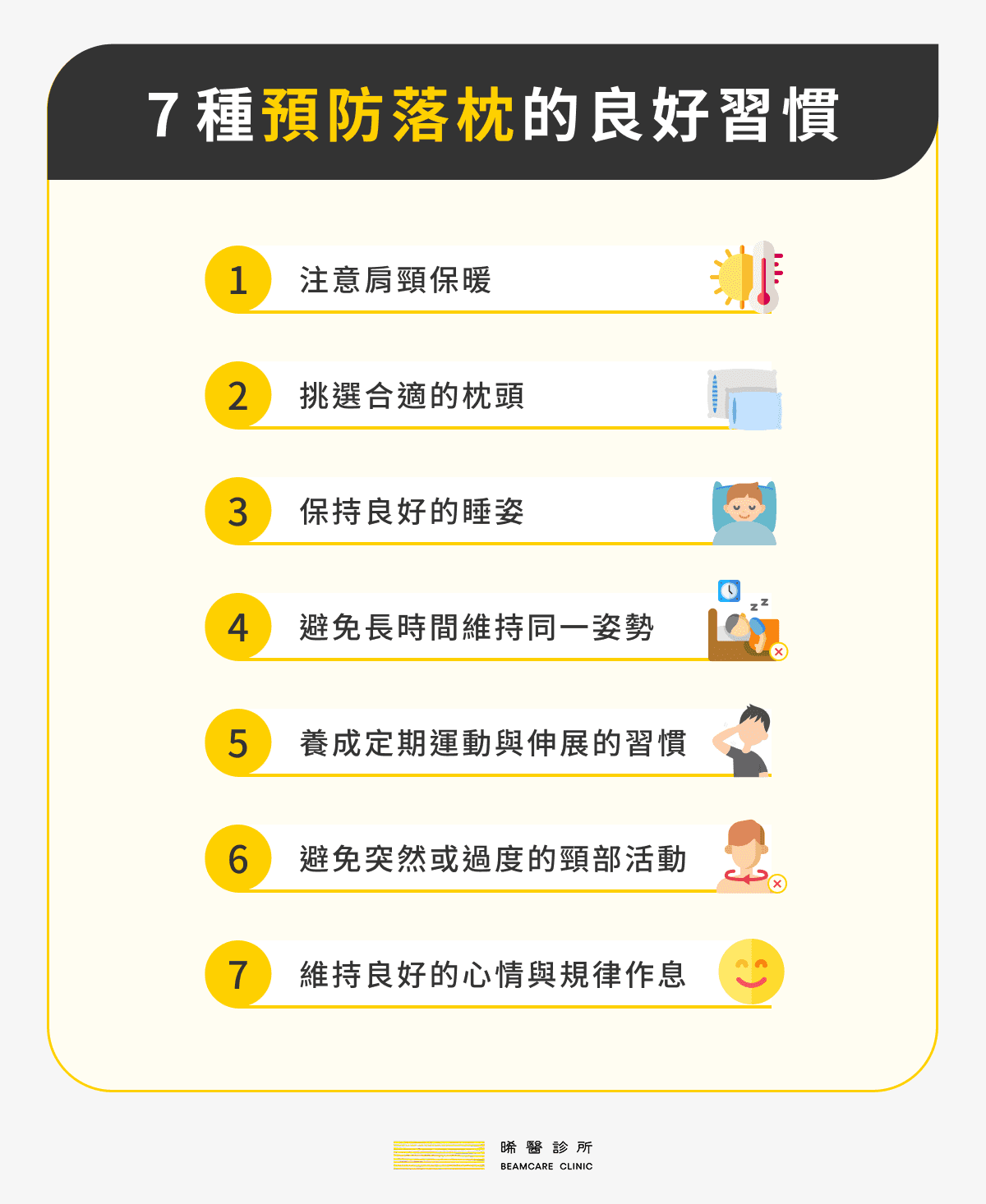
(1) Keep the Neck and Shoulders Warm
To avoid a stiff neck caused by weather changes, pay special attention to keeping your neck and shoulders warm. When temperatures fluctuate wildly or when staying in air-conditioned rooms for long periods, the neck and shoulders can easily catch cold, leading to stiff muscles and increasing the risk of a stiff neck. It is recommended to wear a scarf or high-collar clothing at night or in cold environments to protect your neck and shoulders from cold drafts.
(2) Choose the Right Pillow
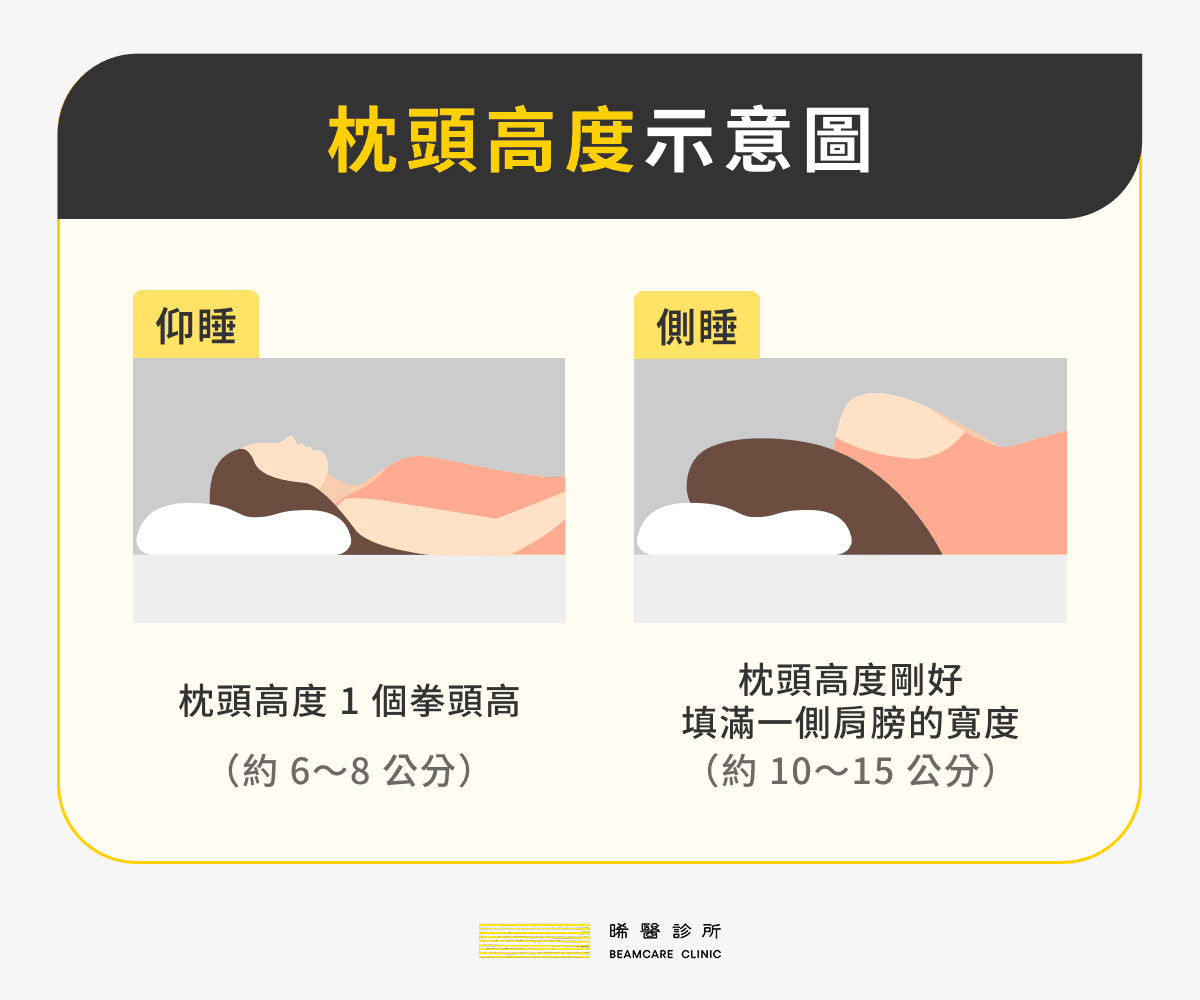
Choosing a pillow of appropriate height and firmness can help provide adequate support for your cervical spine and reduce the risk of a stiff neck. When sleeping on your back, the pillow height should be about the height of one fist (approx. 6–8 cm); when sleeping on your side, it is recommended to be taller to fill the width of one shoulder (approx. 10–15 cm).
This prevents the head from tilting downwards, fully embracing the curves of your cervical spine and shoulders to provide stable support under the back of your neck during sleep, relaxation of muscles, and prevention of a stiff neck.
In addition, pillows can deform and lose support over long periods of use, so it is best to replace them every 1 to 2 years.
(3) Maintain Good Sleeping Posture
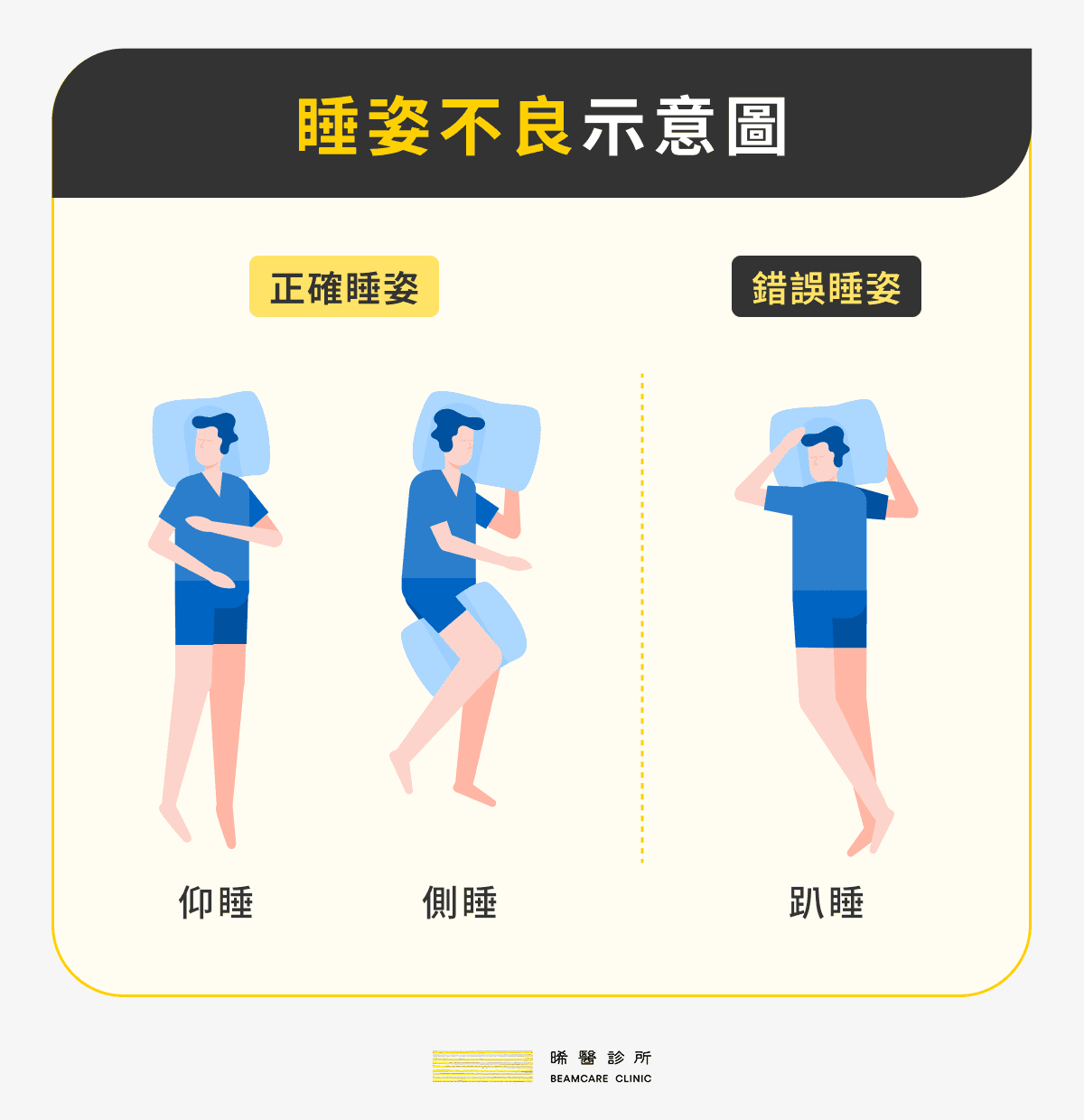
Sleeping on your back as much as possible keeps your head and cervical spine in a natural, neutral position, ensuring the pillow fully supports the neck curve. This allows neck and shoulder muscles to fully relax during sleep and reduces the risk of waking up with stiffness.
If you are not used to sleeping on your back, sleeping on your side is also fine, but ensure the pillow height is moderate so that your head and spine stay aligned, avoiding excessive tilting or sagging, which can stress your muscles over time and increase the chance of stiffness.
As for sleeping on your stomach, it places a heavy burden on the cervical spine and neck muscles, so it is best avoided if possible.
(4) Avoid Staying in the Same Posture for Too Long
Whether working, reading, or using your phone, staying in the same position for long periods exerts cumulative pressure on neck muscles. It is recommended to stand up, move your neck and shoulders, and do some simple stretching exercises every 30 to 60 minutes to help the muscles relax.
(5) Develop a Habit of Regular Exercise and Stretching
Moderate exercise can strengthen the muscles around the neck and shoulders, increasing flexibility and elasticity. You can perform simple neck stretches daily to reduce the chances of muscle stiffness and strains.
(6) Avoid Sudden or Extreme Neck Movements
Sudden or extreme turning and bending can easily cause muscle strain or spasms. Remember to warm up or prep properly before performing large-range neck movements such as turning your head quickly, exercising, or lifting heavy objects.
(7) Maintain a Good Mood and Regular Routine
Psychological factors like high stress and irregular schedules often cause muscles to tense up unconsciously, increasing the chance of a stiff neck. Maintaining a healthy life routine and using methods like meditation or yoga to relieve stress can help your muscles and mind relax.
VI. Unbearable Recurring Stiff Neck Pain? Sunrise Clinic Provides Customized Treatment Plans!
Woke up in the morning finding your neck stiff, having trouble turning your head, and experiencing tight shoulders? Do not just rely on pain patches or push through the pain. A stiff neck can be caused by myofascial tightness, joint misalignment, or even nerve compression. Early and correct treatment can prevent it from turning into chronic pain!
In a traditional medical system, you might find yourself wandering between rehabilitation, orthopedics, and neurology departments. Why not directly choose the professionally integrated "Sunrise Clinic"? Through comprehensive examinations and customized treatment solutions, we can help you get rid of pain and regain freedom of movement in your neck!
Sunrise Clinic is led by pain treatment expert Dr. Lu Bing-Sheng, bringing together specialists in orthopedics, Traditional Chinese Medicine, nutrition, fitness, and more, dedicated to solving all kinds of acute and chronic pain issues.
We provide comprehensive and personalized care especially for common conditions such as wrist pain, finger joint pain, upper back pain, frozen shoulder, sciatica, and other occupational injuries or chronic pain.
If you are suffering from a stiff neck, do not hesitate about which doctor to see anymore! Sunrise Clinic offers a one-stop integrated treatment service, addressing pain from the root, helping you find flexibility and comfort in your neck, and ensuring your life is no longer paused by pain!
Are you suffering from a stiff neck or neck and shoulder pain? Let Sunrise Clinic find the root cause and customize a treatment plan for you! |
