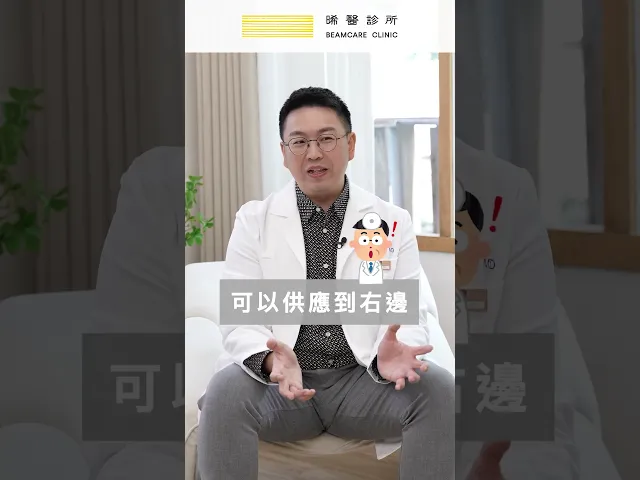
In the consultation room, the doctor refers to prostate images and anatomical diagrams on the screen to explain treatment options for an enlarged prostate to an older man.

What if your prostate is too large for surgery? What are the options for 80, 100, and 150 mL prostates?

What if your prostate is too large for surgery? What are the options for 80, 100, and 150 mL prostates?

Article Summary

After visiting a urologist, you might be told that your prostate is too large for surgery. In most cases, this simply means the degree of prostate enlargement exceeds the typical range for transurethral resection of the prostate (TURP); it does not mean there are no other treatment options available to discuss.
The numbers 80, 100, or 150 mL on your medical report indicate prostate volume. This number alone cannot determine the severity of benign prostatic hyperplasia (BPH), nor can it directly dictate which treatment you should undergo.

For larger prostates, laser enucleation, Aquablation, and prostatic artery embolization (PAE)—a procedure that does not require surgical instruments to be inserted into the urethra—all have supporting research and their own specific indications.

During your consultation, in addition to asking, "What treatment options do I have for a prostate this large?", you can also confirm with your doctor: "What is causing my urinary difficulties? Given my current health status and the symptoms I want to improve, which treatment options should I consider?"

What does it mean when a doctor says the prostate is too large for surgery and medication is needed to shrink it first?

When a doctor says this, it usually means the prostate volume exceeds the conventional threshold for electrocautery resection (TURP), not that all treatments are off the table.

Transurethral resection of the prostate (TURP) is covered by National Health Insurance and is a prostate surgery offered by most hospitals. The European Association of Urology (EAU) guidelines suggest an upper volume limit of approximately 80 mL for monopolar TURP. This is an expert consensus, and practical application depends on the surgeon's experience and instrumentation; larger volumes entail longer operation times and increased complication rates. Therefore, some physicians prescribe medication first to shrink the prostate before evaluating surgery.

The medications used to reduce prostate size are 5α-reductase inhibitors (such as finasteride and dutasteride). EAU guidelines state that these medications must be taken for at least six months before a noticeable difference compared to placebo is observed; after two to four years of treatment, prostate volume is reduced by an average of about 18% to 28%. Roughly estimating from the average, a 100 mL prostate may shrink to between 72 and 82 mL after two to four years of medication. However, individual variation is substantial, and it may not necessarily shrink into the range suitable for TURP. During medication, PSA (prostate-specific antigen) levels measured via blood tests typically drop by about half, which doctors take into account when assessing prostate cancer risk. If you feel the medication is affecting your libido, erectile function, or ejaculation, please follow up with your doctor; do not discontinue the medication on your own.

While waiting for the medication to take effect, you can clarify two things with your doctor: Does "too large" mean TURP is unsuitable, or that all modalities are unsuitable? Given my prostate volume, can I be evaluated for laser enucleation, Aquablation, or PAE (which avoids urethral instrumentation)? Guidelines do not establish an upper volume limit for laser enucleation, whereas PAE is an option that can be considered for patients with volumes over 50 cc, as explained below. During this waiting period, if you experience complete urinary retention, visible blood in the urine, or recurrent infections, seek medical attention promptly rather than continuing to wait.

What do 80, 100, and 150 mL prostate sizes mean?

These numbers represent prostate volume, which does not necessarily correlate directly with the severity of urinary symptoms.

The units mL and cc found on ultrasound or MRI reports both measure volume, with 1 mL equaling 1 cc. Some men with a prostate volume of 100 mL may only be bothered by nocturia, while others with a prostate of only 40 mL may already experience urinary hesitancy, weak stream, and a sensation of incomplete emptying.

Volume influences treatment planning, but physicians also need to assess the degree of obstruction, bladder function, and how symptoms affect daily life.

Additionally, prostate size cannot be used to determine the presence of prostate cancer. Doctors evaluate risk based on medical history, digital rectal examination (DRE), and prostate-specific antigen (PSA, a blood test that assists in evaluating prostate health), arranging imaging or biopsy only when necessary.

During your appointment, it helps to clarify three key points first: how large the prostate is, the extent to which urination is affected, and whether there are any other underlying issues to monitor.

When the prostate is very large, how should treatment be selected? Look at guideline recommendations first

Prostate volume is an essential reference point in selecting therapy, but multiple options may exist within any given range.

The European Association of Urology (EAU) 2026 surgical algorithm broadly divides prostate volume into three categories:

  • Less than 30 mL, without median lobe enlargement: Transurethral incision of the prostate (TUIP) is the preferred option.

  • 30 to 80 mL: Transurethral resection of the prostate (TURP) is the standard option. Other modalities include Aquablation, enucleation using laser or bipolar energy, GreenLight laser vaporization, and PAE. Prostatic urethral lift requires specific criteria, such as a volume under 70 mL and the absence of an obstructive median lobe.

  • Greater than 80 mL: Endoscopic enucleation is the preferred option, using laser or bipolar energy to peel the adenoma along the surgical capsule before morcellation and removal. Open simple prostatectomy is considered only when endoscopic enucleation is unavailable.

The American Urological Association (AUA) 2026 guidelines designate holmium and thulium laser enucleation as strong recommendations with Grade A evidence, without setting an upper volume limit. Aquablation receives a moderate recommendation for 30 to 80 cc, while for 80 to 150 cc, it is classified as an expert opinion.

Regarding PAE, the AUA categorizes the use of embolic microparticles as an option to consider for patients with a prostate volume greater than 50 cc, carrying a conditional recommendation with Grade B evidence. It requires prior evaluation by a urologist and execution by a trained interventional radiologist.

The EAU offers a weak recommendation for PAE, emphasizing that patients must understand that urinary improvement may not match that of TURP and the likelihood of re-intervention is higher; it should be jointly evaluated by urology and interventional radiology. This recommendation does not use volume as an exclusion criterion.

In randomized controlled trials comparing PAE with TURP out to five years of follow-up, improvements in maximum flow rate and post-void residual volume remained superior with TURP. However, because the number of patients completing five-year follow-up declined significantly, this limitation must be kept in mind when interpreting the results.

The volumes 80, 100, and 150 mL discussed below are not clinical disease stages, but practical benchmarks to help you discuss your report with your doctor.

攝護腺體積約 80、100、150 mL 的治療討論重點:約 80 mL 可比較電刀刮除、雷射剝除、水刀與手術器械不插尿道的 PAE;約 100 mL 納入鈥雷射剝除;約 150 mL 可討論內視鏡剝除、開放式單純攝護腺切除與 PAE,並附看診時可以問醫師的問題。

Around 80 mL

Approaching the upper limit of the typical range for TURP, this volume allows for direct comparison among TURP, laser enucleation, Aquablation, and PAE.

You can ask your doctor: "Given my volume and degree of obstruction, which treatments are most suitable? How do the expected improvements and recovery processes compare?"

Around 100 mL

Procedures tailored for larger prostates, such as holmium laser enucleation of the prostate (HoLEP), should be brought into the discussion. Aquablation has published studies covering 80 to 150 mL; for PAE, suitability depends on vascular anatomy and overall medical fitness.

You can ask your doctor: "If I prefer to avoid transurethral resection, can I be evaluated for PAE? What symptoms can I realistically expect to improve, and what future treatments might still be necessary?"

Around 150 mL

Beyond the surgical technique itself, greater consideration must be given to the surgeon's experience with very large prostates, underlying bladder function, and the patient's physiological tolerance for anesthesia and surgical stress. Endoscopic enucleation can be discussed; if unavailable, open simple prostatectomy may be considered. Eligible candidates may also be evaluated for PAE.

During consultation, you can ask your doctor: "Which approach best balances symptom relief, anesthetic risk, and recovery requirements for my specific condition?"

For differences among six surgical and minimally invasive options regarding approach, anesthesia, hospitalization, and sexual function, refer to "What Minimally Invasive Surgeries Are Available for BPH? Comparing PAE, Rezūm, UroLift, and Three Other Treatments".

If the prostate exceeds 80 mL, are laser surgery or Aquablation still viable options?

Yes, they can be considered, but it is critical to distinguish between specific procedural types.

Laser enucleation and laser vaporization have different indications.

Holmium laser enucleation of the prostate (HoLEP) dissects the adenomatous tissue along the anatomical capsule before morcellating and removing it. Guidelines do not define an upper volume limit for this technique; therefore, a report showing 100 or 150 mL does not rule out laser surgery.

In contrast, the routine recommendation for GreenLight photoselective vaporization of the prostate (PVP) is between 30 and 80 mL. Consequently, during your consultation, it is worth asking whether the "laser surgery" being discussed refers to enucleation or vaporization.

As volume increases, surgical experience becomes increasingly crucial. A propensity score-matched retrospective study of 326 patients matched baseline characteristics between two cohorts. In the group with prostates of at least 150 mL, the median operative time was 76 minutes, compared to 47 minutes in the smaller prostate group; major complication rates were 8.7% versus 1.2%, and blood transfusion rates were 2.5% versus 0%. The authors concluded that such surgeries for massive prostates should be conducted in experienced, high-volume centers.

Aquablation also has longitudinal data for large prostates.

The WATER II prospective trial of Aquablation enrolled 101 patients with prostate volumes between 80 and 150 mL, with 60 patients completing five-year follow-up. The study reported a reduction in symptom scores from 22.6 to 6.8, with an estimated five-year freedom from surgical re-intervention rate of 96.3%.

However, this was a single-arm study without an active comparator group, meaning it cannot be used to prove that Aquablation is superior to laser enucleation or PAE. The AUA 2026 guidelines also maintain Aquablation for 80 to 150 cc as an expert opinion.

Both laser enucleation and Aquablation are transurethral procedures performed under anesthesia. Before surgery, discussions should cover not only expected urinary improvements, but also post-operative catheterization, bleeding, transient urinary incontinence, and changes in ejaculatory function.

Can a patient with a 150 mL prostate undergo PAE?

Select patients can be evaluated. Beyond volume alone, key determining factors include vascular anatomy, obstruction pattern, and detrusor bladder function.

PAE involves inserting a microcatheter via the radial or femoral artery to deliver embolic agents directly into the prostatic arteries, causing ischemic shrinkage of the gland. Surgical instruments do not enter the urethra, do not contact external genitalia, and no prostate tissue is excised.

Large prostates represent an area of significant focus in PAE clinical research. The HoPE trial published in 2026 included patients with prostate volumes between 80 and 250 cc, of whom 30 underwent PAE and 15 underwent HoLEP. At one year, both groups demonstrated significant improvements in symptom scores, with the HoLEP group achieving greater gains in peak flow rate; no major adverse events were observed during the study.

Because this study included only 45 patients from a single center and lacked randomization, it cannot be interpreted as demonstrating equivalence or superiority of one therapy over the other.

Research data also exists for PAE in prostates exceeding 200 mL.

A single-center retrospective study enrolled 72 patients with prostate volumes exceeding 200 mL. Two years post-PAE, mean volume decreased from 303 to 209 mL, symptom scores dropped from 26.5 to 10.5, and maximum flow rate increased from 8 to 18 mL/s, with no major complications reported. However, the study lacked a surgical control arm, and these findings cannot be assumed as the expected outcome for every individual patient.

UDN Health once reported on a case evaluated by Dr. Chun-Yu Lin involving a 90-year-old patient with a prostate exceeding 300 grams and recurrent urinary retention treated with minimally invasive catheter-based therapy. Such cases demonstrate that treatment options may still exist even for massive prostates, though it should not be inferred that a larger prostate is automatically better suited for PAE.

Physicians use CT angiography and other imaging modalities to assess prostatic and pelvic vasculature. Significant arterial calcification, severe tortuosity that impedes catheter access, or urinary symptoms primarily driven by causes other than benign prostatic obstruction may all necessitate adjustments to the treatment plan.

For details on the PAE procedure, costs, and recovery timeline, refer to "What is Prostatic Artery Embolization (PAE)? Procedure, Costs, Recovery, and Candidacy".

Can PAE be considered if an indwelling catheter cannot be successfully removed?

You can discuss this with your physician; however, successful trial without catheter (TWOC) depends on the underlying causes of urinary retention and cannot be guaranteed in advance.

Patients with acute urinary retention dependent on an indwelling catheter who are poor surgical candidates represent a key population studied in PAE literature. Several studies provide outcome data across various follow-up periods:

  • An international multicenter prospective study: Enrolled 73 patients with acute urinary retention, of whom 48 (65.8%) were successfully decatheterized within three months post-PAE and remained catheter-free at two-year follow-up.

  • A single-center retrospective study in Paris: Enrolled 88 patients with acute urinary retention, with a mean follow-up of approximately 19.5 months. The successful decatheterization rate within one month was 82%, with an estimated catheter-free survival of 70% at one year and 60% at three years; 24% of patients eventually underwent prostate surgery, and no major complications were reported.

  • A multicenter retrospective study across six French university hospitals: Enrolled 140 patients with a median age of 82.5 years. Initial successful catheter removal occurred in 113 patients (80.7%); among these successfully decatheterized patients, the estimated catheter-free rate at two years was 79%. Major complications occurred in 3 patients (2.1%).

Because patient inclusion criteria, follow-up durations, and statistical methods varied across these studies, the reported rates cannot be directly compared. Overall, while some patients can successfully discontinue catheter use following PAE, others will continue to require a catheter or subsequently undergo further intervention.

For catheter-dependent retention patients, the AUA 2026 guidelines recommend definitive tissue-ablating or resecting surgery as the primary therapeutic direction, balancing comorbidity profiles; this recommendation carries expert opinion status. PAE serves as an evaluable alternative for patients who are medically unfit for or decline conventional surgery.

Whether catheter removal will be successful depends not only on relieving prostatic obstruction, but also on verifying whether detrusor contractility remains intact and ruling out other secondary causes of retention. The previously mentioned HoPE trial excluded patients with indwelling catheters, and its findings cannot be extrapolated to predict decatheterization success.

If you suddenly experience complete inability to urinate, painful lower abdominal distension, or urinary discomfort accompanied by fever, seek medical evaluation immediately or proceed directly to an emergency department. Resolve the acute crisis first before engaging your doctor in discussions regarding long-term therapy.

For other warning signs that require urgent evaluation, refer to "What Are the Symptoms of Benign Prostatic Hyperplasia? When to Seek Medical Attention and Red Flags You Shouldn't Ignore".

What should you prepare before your clinic visit?

Bringing prior urology records and test results, your current medication list, and noting your most bothersome symptoms will help your doctor quickly assess your situation.

Useful documentation includes ultrasound or MRI reports, documented prostate volume, PSA history, and previous uroflowmetry and post-void residual measurements. Regarding symptoms, take note of how many times you wake up at night to urinate, whether you have experienced acute urinary retention, and whether your primary goal is improving nocturia, weak stream, or persistent incomplete bladder emptying.

Tests that have not yet been performed can be ordered at your physician's discretion; there is no need to arrange them independently prior to your initial consultation.

To learn whether surgery is strictly necessary and which conditions allow for conservative observation, refer to "Is Surgery Necessary for Benign Prostatic Hyperplasia? When Observation is Appropriate vs. When to Consider Surgery".

At See Clinic, PAE is performed by Dr. Chun-Yu Lin under local anesthesia, without routine intraprocedural urethral catheter placement, and arranged as a same-day discharge procedure. If an indwelling catheter is already present prior to treatment, the timing and feasibility of a trial without catheter must be determined by the physician based on post-procedural response.

Most patients presenting for evaluation have already been diagnosed and managed within a urology clinic for some time. Initial visits involve completing standardized symptom questionnaires and arranging CT angiography to evaluate prostate volume and vascular anatomy. If you have not undergone formal urological evaluation, we will first coordinate these baseline assessments; prostate cancer screening tests, such as PSA, are managed and ordered by a urologist.

To find out if you are a candidate, you can schedule an appointment at the Men's Health Specialty Clinic. When booking, please provide your known prostate volume, your most bothersome symptoms, and whether an indwelling catheter is present to facilitate your clinical assessment.

Frequently Asked Questions

If my prostate is too large, can I have surgery once medication shrinks it?

It is possible, but it typically requires an extended timeframe. 5α-reductase inhibitors must be taken for at least six months to demonstrate efficacy. Guideline data show that after two to four years of treatment, average prostate volume decreases by about 18% to 28%. Whether the gland becomes suitable for TURP after reduction depends on the actual volume achieved, ongoing symptoms, and general health status. While on medical therapy, you can also discuss with your physician whether laser enucleation, Aquablation, or PAE are suitable options.

If my prostate volume is 80 or 100 cc but I have no significant symptoms, do I still need surgery?

Not necessarily. Your physician will assess whether your bladder empties adequately, post-void residual urine volume, and the presence of recurrent infections, bladder stones, or compromised renal function before deciding on active surveillance, pharmacotherapy, or intervention. An elevated prostate volume alone is not an automatic indication for surgery.

Can I still undergo PAE if my prostate is 150 mL?

Select patients are candidates for evaluation. Controlled studies have evaluated patients with prostate volumes between 80 and 250 cc; however, sample sizes remain small and non-randomized, meaning individual outcomes cannot be guaranteed, nor do they establish PAE as superior to laser enucleation. Candidacy depends fundamentally on pelvic vascular anatomy, the mechanism of obstruction, and detrusor bladder function.

If I already have an indwelling urinary catheter, can PAE help me achieve catheter removal?

Select patients can be evaluated, but success cannot be guaranteed. Across multiple clinical trials, a significant proportion of retention patients were successfully decatheterized following PAE, though some ultimately required surgical intervention. In addition to anatomical obstruction, successful voiding depends on adequate detrusor contractility and the exclusion of neurogenic or other retention etiologies. Current clinical guidelines maintain tissue-ablating or resecting surgery as the primary therapeutic standard for catheter-dependent individuals.

Does a larger prostate volume mean better outcomes with PAE?

Clinical outcomes cannot be predicted by volume alone. While clinical literature confirms the feasibility of PAE in large glands, procedural response depends heavily on pelvic vascular anatomy, anatomical obstruction patterns, and intrinsic detrusor function. The assumption that "a prostate over 100 mL is inherently best suited for PAE" is not a reliable clinical metric.

Author: Dr. Chun-Yu Lin

Last Updated: November 11, 2026

Disclaimer: This article provides general health education information and is not a substitute for formal medical diagnosis and clinical treatment recommendations. Suitability for intervention, as well as treatment options, outcomes, and risks, must be evaluated by a physician based on individual clinical circumstances.

References:

  1. European Association of Urology. EAU Guidelines on the Management of Non-neurogenic Male LUTS (limited update March 2026). Cornu JN (Chair), et al.

  2. Goueli R, Badlani GH, Welliver C, et al. Management of lower urinary tract symptoms attributed to benign prostatic hyperplasia: AUA guideline (2026) Part III: procedural/surgical management. J Urol. 2026;216(2):161-170. doi:10.1097/JU.0000000000005099

  3. Mouli S, Dolmatch BL, Gunn AJ, et al. Society of Interventional Radiology (SIR) 2026 practice guidance document for prostatic artery embolization. J Vasc Interv Radiol. 2026:108771. doi:10.1016/j.jvir.2026.108771. PMID 42223385

  4. Bhatia S, Bhatia A, Richardson A, et al. Prospective, non-randomized, controlled investigation of prostate artery embolization compared to holmium laser enucleation of prostate for the treatment of symptomatic benign prostatic hyperplasia with prostate volume 80–250 cc: the HoPE trial outcome at 1 year. World J Urol. 2026;44:87. doi:10.1007/s00345-025-06115-0

  5. Bhojani N, Bidair M, Kramolowsky E, et al. Aquablation therapy in large prostates (80-150 mL) for lower urinary tract symptoms due to benign prostatic hyperplasia: final WATER II 5-year clinical trial results. J Urol. 2023;210(1):143-153. doi:10.1097/JU.0000000000003483

  6. Marchi A, Pellerin O, Querub C, et al. Long-term outcomes of prostate artery embolization for acute urinary retention: an analysis of 88 patients. Diagn Interv Imaging. 2023;104(6):292-296. doi:10.1016/j.diii.2023.01.012

  7. Sapoval MR, Bhatia S, Déan C, et al. Two-year outcomes of prostatic artery embolization for symptomatic benign prostatic hyperplasia: an international, multicenter, prospective study. Cardiovasc Intervent Radiol. 2024;47:1515-1524. doi:10.1007/s00270-024-03802-0

  8. Müllhaupt G, Hechelhammer L, Graf N, et al. Prostatic artery embolisation versus transurethral resection of the prostate for benign prostatic obstruction: 5-year outcomes of a randomised, open-label, noninferiority trial. Eur Urol Focus. 2024;10:788-795. doi:10.1016/j.euf.2024;10:788-795

  9. Schmidt J, Krediet J, Beutel H, et al. Comparison of perioperative outcomes of holmium laser enucleation of the prostate for standard (≤149 ml) versus very large (≥150 ml) prostate glands: retrospective analysis of a propensity score matched cohort of 326 patients. Eur Urol Open Sci. 2025;71:15-21. doi:10.1016/j.euros.2024.10.019

  10. Somwaru AS, Metting S, Flisnik LM, et al. Prostate artery embolization has long term efficacy for treatment of severe lower urinary tract symptoms from giant prostatic hyperplasia. BMC Urol. 2020;20:153. doi:10.1186/s12894-020-00726-y

  11. Pouchot J, Crombé A, Burlet L, et al. Safety and clinical efficacy of prostatic artery embolization in patients with indwelling urinary catheter for benign hyperplasia: a multicenter study. Diagnostics. 2024;14(24):2864. doi:10.3390/diagnostics14242864

Clinic Hours

Outpatient Schedule

Schedule

Closed on Sundays

Monday

Tuesday

Wednesday

Thursday

Friday

Saturday

Morning clinic

10:00 — 13:00

Musculoskeletal Pain Clinic
Dr.Yu-Ju Lin
Pain Management
DeanBeam Lu

疼痛特診

盧炳昇

院長

Limb Numbness & Neuropathic Pain Clinic
Dr.Chih-Yu Kuo
Pain Management
DeanBeam Lu
Pharmacist Consultation
RPhLing-Chia Ku
Pain Management
DeanBeam Lu
Pain Management
DeanBeam Lu

Afternoon clinic

2:00 PM – 4:30 PM

靜脈曲張特診(單)

許宏隆

醫師

Pain Management
DeanBeam Lu
Endogenous Stem Cell Care
DeanBeam Lu
Head & Neck Pain and Vertigo Clinic (Even Weeks)
Dr.You-Chia Chen
Hand Numbness & Carpal Tunnel Clinic (Odd Weeks)
Dr.Chun-Lung Tsou
Cardiovascular Health
Dr.Chuan-Chih Hsu
Pain Management
DeanBeam Lu
Pharmacist Consultation
RPhLing-Chia Ku
Varicose Vein Care
Dr.Hung-Lung Hsu
Precision Imaging Pain Clinic
Dr.Yu-Jie Wu
Men's Health
Dr.Chun-Yu Lin

Evening Clinic

5:30 PM ― 8:30 PM

疼痛特診

盧炳昇

院長

疼痛特診

盧炳昇

醫師

Pain Management
DeanBeam Lu

疼痛特診

許傳智

醫師

疼痛特診

許宏隆

醫師

疼痛特診

林俊宇

醫師

Outpatient Billing Method

Specialty Pain Clinic / Endogenous Stem Cell Clinic (Director Dr. Ping-Sheng Lu): NT$3,000 (Includes advanced musculoskeletal ultrasound, X-ray imaging, physical examination, and detailed consultation) / Follow-up consultation: NT$1,500

Specialist Men's Health Clinic: Initial Visit $1500 / Follow-up Visit $800

Dr. Chen Yu-Chia | Special Clinic for Head and Neck Pain & Vertigo
First Visit: NT$1,500 / Follow-up Visit: NT$800

Special Clinic for Head & Neck Pain and Vertigo: Initial Consultation $1,500 / Follow-up $800 (including ultrasound)

Dr. Hsu Chuan-Chih|Cardiovascular Health Specialty Clinic
First Visit NT$1,500 / Follow-up Visit NT$800 (Ultrasound Included)

Dr. Chih-Yu Kuo | Special Clinic for Limb Numbness and Neuralgia
Initial Visit: NT$1,500 / Follow-up Visit: NT$800

Dr. Tsou Chun-Lung | Hand Numbness and Carpal Tunnel National Health Insurance Clinic (Single)
First Visit: NT$600 / Follow-up Visit: NT$300

Dr. Yu-Ju Lin | National Health Insurance Outpatient Clinic for Musculoskeletal Pain
First Visit: NT$600 / Follow-up Visit: NT$300

Varicose Veins NHI Clinic: Initial Visit $600 / Return Visit $300

Pharmacist Consultation: First visit $600 / Return visit $300

Notes

The costs of treatments and medications will be assessed and billed by the physician based on the individual's condition.

[Notice of Consultation Fee Adjustment] Effective Friday, January 1, 2027, the following three clinics will be changed to specialty clinics, and the consultation fees will be adjusted as follows:
Dr. Zou Jun-long | Hand Numbness and Carpal Tunnel Specialty Clinic
Dr. Lin Yu-ru | Musculoskeletal Pain Specialty Clinic
Dr. Hsu Hung-lung | Varicose Veins Specialty Clinic

First Visit: NT$600 → NT$1,500
Follow-up Visit: NT$300 → NT$800

Visits on or before December 31, 2026, will still be charged at the current rates. Fees for other clinics remain unchanged. Costs for treatment courses and medications will be evaluated separately by the physician based on individual conditions.

For first-time visits, please allow at least 60 minutes for private clinic appointments and at least 30 minutes for National Health Insurance (NHI) appointments. If you wish to receive examinations or treatments on the day of your first visit, please let us know when scheduling your appointment. Same-day completion is subject to the physician's evaluation, preparation required for the examinations/procedures, and schedule availability on that day.

Clinics marked with (Odd) indicate odd-numbered weeks, and (Even) indicate even-numbered weeks. Please refer to the online booking system for actual appointment dates.

To save your valuable time, please make use of online booking.

Clinic Hours

Outpatient Schedule

Schedule

Closed on Sundays

Monday

Tuesday

Wednesday

Thursday

Friday

Saturday

Morning clinic

10:00 — 13:00

Musculoskeletal Pain Clinic
Dr.Yu-Ju Lin
Pain Management
DeanBeam Lu

疼痛特診

盧炳昇

院長

Limb Numbness & Neuropathic Pain Clinic
Dr.Chih-Yu Kuo
Pain Management
DeanBeam Lu
Pharmacist Consultation
RPhLing-Chia Ku
Pain Management
DeanBeam Lu
Pain Management
DeanBeam Lu

Afternoon clinic

2:00 PM – 4:30 PM

靜脈曲張特診(單)

許宏隆

醫師

Pain Management
DeanBeam Lu
Endogenous Stem Cell Care
DeanBeam Lu
Head & Neck Pain and Vertigo Clinic (Even Weeks)
Dr.You-Chia Chen
Hand Numbness & Carpal Tunnel Clinic (Odd Weeks)
Dr.Chun-Lung Tsou
Cardiovascular Health
Dr.Chuan-Chih Hsu
Pain Management
DeanBeam Lu
Pharmacist Consultation
RPhLing-Chia Ku
Varicose Vein Care
Dr.Hung-Lung Hsu
Precision Imaging Pain Clinic
Dr.Yu-Jie Wu
Men's Health
Dr.Chun-Yu Lin

Evening Clinic

5:30 PM ― 8:30 PM

疼痛特診

盧炳昇

院長

疼痛特診

盧炳昇

醫師

Pain Management
DeanBeam Lu

疼痛特診

許傳智

醫師

疼痛特診

許宏隆

醫師

疼痛特診

林俊宇

醫師

Outpatient Billing Method

Specialty Pain Clinic / Endogenous Stem Cell Clinic (Director Dr. Ping-Sheng Lu): NT$3,000 (Includes advanced musculoskeletal ultrasound, X-ray imaging, physical examination, and detailed consultation) / Follow-up consultation: NT$1,500

Specialist Men's Health Clinic: Initial Visit $1500 / Follow-up Visit $800

Dr. Chen Yu-Chia | Special Clinic for Head and Neck Pain & Vertigo
First Visit: NT$1,500 / Follow-up Visit: NT$800

Special Clinic for Head & Neck Pain and Vertigo: Initial Consultation $1,500 / Follow-up $800 (including ultrasound)

Dr. Hsu Chuan-Chih|Cardiovascular Health Specialty Clinic
First Visit NT$1,500 / Follow-up Visit NT$800 (Ultrasound Included)

Dr. Chih-Yu Kuo | Special Clinic for Limb Numbness and Neuralgia
Initial Visit: NT$1,500 / Follow-up Visit: NT$800

Dr. Tsou Chun-Lung | Hand Numbness and Carpal Tunnel National Health Insurance Clinic (Single)
First Visit: NT$600 / Follow-up Visit: NT$300

Dr. Yu-Ju Lin | National Health Insurance Outpatient Clinic for Musculoskeletal Pain
First Visit: NT$600 / Follow-up Visit: NT$300

Varicose Veins NHI Clinic: Initial Visit $600 / Return Visit $300

Pharmacist Consultation: First visit $600 / Return visit $300

Notes

The costs of treatments and medications will be assessed and billed by the physician based on the individual's condition.

[Notice of Consultation Fee Adjustment] Effective Friday, January 1, 2027, the following three clinics will be changed to specialty clinics, and the consultation fees will be adjusted as follows:
Dr. Zou Jun-long | Hand Numbness and Carpal Tunnel Specialty Clinic
Dr. Lin Yu-ru | Musculoskeletal Pain Specialty Clinic
Dr. Hsu Hung-lung | Varicose Veins Specialty Clinic

First Visit: NT$600 → NT$1,500
Follow-up Visit: NT$300 → NT$800

Visits on or before December 31, 2026, will still be charged at the current rates. Fees for other clinics remain unchanged. Costs for treatment courses and medications will be evaluated separately by the physician based on individual conditions.

For first-time visits, please allow at least 60 minutes for private clinic appointments and at least 30 minutes for National Health Insurance (NHI) appointments. If you wish to receive examinations or treatments on the day of your first visit, please let us know when scheduling your appointment. Same-day completion is subject to the physician's evaluation, preparation required for the examinations/procedures, and schedule availability on that day.

Clinics marked with (Odd) indicate odd-numbered weeks, and (Even) indicate even-numbered weeks. Please refer to the online booking system for actual appointment dates.

To save your valuable time, please make use of online booking.

Clinic Hours

Outpatient Schedule

Schedule

Closed on Sundays

Monday

Tuesday

Wednesday

Thursday

Friday

Saturday

Morning clinic

10:00 — 13:00

Musculoskeletal Pain Clinic
Dr.Yu-Ju Lin
Pain Management
DeanBeam Lu

疼痛特診

盧炳昇

院長

Limb Numbness & Neuropathic Pain Clinic
Dr.Chih-Yu Kuo
Pain Management
DeanBeam Lu
Pharmacist Consultation
RPhLing-Chia Ku
Pain Management
DeanBeam Lu
Pain Management
DeanBeam Lu

Afternoon clinic

2:00 PM – 4:30 PM

靜脈曲張特診(單)

許宏隆

醫師

Pain Management
DeanBeam Lu
Endogenous Stem Cell Care
DeanBeam Lu
Head & Neck Pain and Vertigo Clinic (Even Weeks)
Dr.You-Chia Chen
Hand Numbness & Carpal Tunnel Clinic (Odd Weeks)
Dr.Chun-Lung Tsou
Cardiovascular Health
Dr.Chuan-Chih Hsu
Pain Management
DeanBeam Lu
Pharmacist Consultation
RPhLing-Chia Ku
Varicose Vein Care
Dr.Hung-Lung Hsu
Precision Imaging Pain Clinic
Dr.Yu-Jie Wu
Men's Health
Dr.Chun-Yu Lin

Evening Clinic

5:30 PM ― 8:30 PM

疼痛特診

盧炳昇

院長

疼痛特診

盧炳昇

醫師

Pain Management
DeanBeam Lu

疼痛特診

許傳智

醫師

疼痛特診

許宏隆

醫師

疼痛特診

林俊宇

醫師

Outpatient Billing Method

Specialty Pain Clinic / Endogenous Stem Cell Clinic (Director Dr. Ping-Sheng Lu): NT$3,000 (Includes advanced musculoskeletal ultrasound, X-ray imaging, physical examination, and detailed consultation) / Follow-up consultation: NT$1,500

Specialist Men's Health Clinic: Initial Visit $1500 / Follow-up Visit $800

Dr. Chen Yu-Chia | Special Clinic for Head and Neck Pain & Vertigo
First Visit: NT$1,500 / Follow-up Visit: NT$800

Special Clinic for Head & Neck Pain and Vertigo: Initial Consultation $1,500 / Follow-up $800 (including ultrasound)

Dr. Hsu Chuan-Chih|Cardiovascular Health Specialty Clinic
First Visit NT$1,500 / Follow-up Visit NT$800 (Ultrasound Included)

Dr. Chih-Yu Kuo | Special Clinic for Limb Numbness and Neuralgia
Initial Visit: NT$1,500 / Follow-up Visit: NT$800

Dr. Tsou Chun-Lung | Hand Numbness and Carpal Tunnel National Health Insurance Clinic (Single)
First Visit: NT$600 / Follow-up Visit: NT$300

Dr. Yu-Ju Lin | National Health Insurance Outpatient Clinic for Musculoskeletal Pain
First Visit: NT$600 / Follow-up Visit: NT$300

Varicose Veins NHI Clinic: Initial Visit $600 / Return Visit $300

Pharmacist Consultation: First visit $600 / Return visit $300

Notes

The costs of treatments and medications will be assessed and billed by the physician based on the individual's condition.

[Notice of Consultation Fee Adjustment] Effective Friday, January 1, 2027, the following three clinics will be changed to specialty clinics, and the consultation fees will be adjusted as follows:
Dr. Zou Jun-long | Hand Numbness and Carpal Tunnel Specialty Clinic
Dr. Lin Yu-ru | Musculoskeletal Pain Specialty Clinic
Dr. Hsu Hung-lung | Varicose Veins Specialty Clinic

First Visit: NT$600 → NT$1,500
Follow-up Visit: NT$300 → NT$800

Visits on or before December 31, 2026, will still be charged at the current rates. Fees for other clinics remain unchanged. Costs for treatment courses and medications will be evaluated separately by the physician based on individual conditions.

For first-time visits, please allow at least 60 minutes for private clinic appointments and at least 30 minutes for National Health Insurance (NHI) appointments. If you wish to receive examinations or treatments on the day of your first visit, please let us know when scheduling your appointment. Same-day completion is subject to the physician's evaluation, preparation required for the examinations/procedures, and schedule availability on that day.

Clinics marked with (Odd) indicate odd-numbered weeks, and (Even) indicate even-numbered weeks. Please refer to the online booking system for actual appointment dates.

To save your valuable time, please make use of online booking.

Clinic Hours

Outpatient Schedule

Swipe left or right to see all

Schedule

Closed on Sundays

Monday

Tuesday

Wednesday

Thursday

Friday

Saturday

Morning clinic

10:00 — 13:00

Musculoskeletal Pain Clinic
Dr.Yu-Ju Lin
Pain Management
DeanBeam Lu

疼痛特診

盧炳昇

院長

Limb Numbness & Neuropathic Pain Clinic
Dr.Chih-Yu Kuo
Pain Management
DeanBeam Lu
Pharmacist Consultation
RPhLing-Chia Ku
Pain Management
DeanBeam Lu
Pain Management
DeanBeam Lu

Afternoon clinic

2:00 PM – 4:30 PM

靜脈曲張特診(單)

許宏隆

醫師

Pain Management
DeanBeam Lu
Endogenous Stem Cell Care
DeanBeam Lu
Head & Neck Pain and Vertigo Clinic (Even Weeks)
Dr.You-Chia Chen
Hand Numbness & Carpal Tunnel Clinic (Odd Weeks)
Dr.Chun-Lung Tsou
Cardiovascular Health
Dr.Chuan-Chih Hsu
Pain Management
DeanBeam Lu
Pharmacist Consultation
RPhLing-Chia Ku
Varicose Vein Care
Dr.Hung-Lung Hsu
Precision Imaging Pain Clinic
Dr.Yu-Jie Wu
Men's Health
Dr.Chun-Yu Lin

Evening Clinic

5:30 PM ― 8:30 PM

疼痛特診

盧炳昇

院長

疼痛特診

盧炳昇

醫師

Pain Management
DeanBeam Lu

疼痛特診

許傳智

醫師

疼痛特診

許宏隆

醫師

疼痛特診

林俊宇

醫師

Outpatient Billing Method

Specialty Pain Clinic / Endogenous Stem Cell Clinic (Director Dr. Ping-Sheng Lu): NT$3,000 (Includes advanced musculoskeletal ultrasound, X-ray imaging, physical examination, and detailed consultation) / Follow-up consultation: NT$1,500

Specialist Men's Health Clinic: Initial Visit $1500 / Follow-up Visit $800

Dr. Chen Yu-Chia | Special Clinic for Head and Neck Pain & Vertigo
First Visit: NT$1,500 / Follow-up Visit: NT$800

Special Clinic for Head & Neck Pain and Vertigo: Initial Consultation $1,500 / Follow-up $800 (including ultrasound)

Dr. Hsu Chuan-Chih|Cardiovascular Health Specialty Clinic
First Visit NT$1,500 / Follow-up Visit NT$800 (Ultrasound Included)

Dr. Chih-Yu Kuo | Special Clinic for Limb Numbness and Neuralgia
Initial Visit: NT$1,500 / Follow-up Visit: NT$800

Dr. Tsou Chun-Lung | Hand Numbness and Carpal Tunnel National Health Insurance Clinic (Single)
First Visit: NT$600 / Follow-up Visit: NT$300

Dr. Yu-Ju Lin | National Health Insurance Outpatient Clinic for Musculoskeletal Pain
First Visit: NT$600 / Follow-up Visit: NT$300

Varicose Veins NHI Clinic: Initial Visit $600 / Return Visit $300

Pharmacist Consultation: First visit $600 / Return visit $300

Notes

The costs of treatments and medications will be assessed and billed by the physician based on the individual's condition.

[Notice of Consultation Fee Adjustment] Effective Friday, January 1, 2027, the following three clinics will be changed to specialty clinics, and the consultation fees will be adjusted as follows:
Dr. Zou Jun-long | Hand Numbness and Carpal Tunnel Specialty Clinic
Dr. Lin Yu-ru | Musculoskeletal Pain Specialty Clinic
Dr. Hsu Hung-lung | Varicose Veins Specialty Clinic

First Visit: NT$600 → NT$1,500
Follow-up Visit: NT$300 → NT$800

Visits on or before December 31, 2026, will still be charged at the current rates. Fees for other clinics remain unchanged. Costs for treatment courses and medications will be evaluated separately by the physician based on individual conditions.

For first-time visits, please allow at least 60 minutes for private clinic appointments and at least 30 minutes for National Health Insurance (NHI) appointments. If you wish to receive examinations or treatments on the day of your first visit, please let us know when scheduling your appointment. Same-day completion is subject to the physician's evaluation, preparation required for the examinations/procedures, and schedule availability on that day.

Clinics marked with (Odd) indicate odd-numbered weeks, and (Even) indicate even-numbered weeks. Please refer to the online booking system for actual appointment dates.

To save your valuable time, please make use of online booking.

Don't let pain put life on hold

Xi Clinic is a minimally invasive interventional therapy clinic located in Da'an District, Taipei City. It offers specialized clinics for precision image-guided pain management, head and neck pain and vertigo, limb numbness and neuropathic pain, male sexual function, varicose veins, and endogenous stem cells, as well as outpatient services for musculoskeletal pain, hand numbness, and carpal tunnel syndrome.

The entire clinic operates strictly by appointment. Physicians design tailored examinations, treatments, and follow-up plans based on individual symptoms and medical conditions, providing customized treatment solutions to help you break free from pain and embrace a vibrant life again.

Clinic address: 2F-1, No. 40, Section 2, Heping East Road, Da'an District, Taipei City 106

Clinic phone: (02) 2366 0186

© 2025 Beamcare Clinic All rights reserved

Don't let pain put life on hold

Xi Clinic is a minimally invasive interventional therapy clinic located in Da'an District, Taipei City. It offers specialized clinics for precision image-guided pain management, head and neck pain and vertigo, limb numbness and neuropathic pain, male sexual function, varicose veins, and endogenous stem cells, as well as outpatient services for musculoskeletal pain, hand numbness, and carpal tunnel syndrome.

The entire clinic operates strictly by appointment. Physicians design tailored examinations, treatments, and follow-up plans based on individual symptoms and medical conditions, providing customized treatment solutions to help you break free from pain and embrace a vibrant life again.

Clinic address: 2F-1, No. 40, Section 2, Heping East Road, Da'an District, Taipei City 106

Clinic phone: (02) 2366 0186

© 2025 Beamcare Clinic All rights reserved

Don't let pain put life on hold

Xi Clinic is a minimally invasive interventional therapy clinic located in Da'an District, Taipei City. It offers specialized clinics for precision image-guided pain management, head and neck pain and vertigo, limb numbness and neuropathic pain, male sexual function, varicose veins, and endogenous stem cells, as well as outpatient services for musculoskeletal pain, hand numbness, and carpal tunnel syndrome.

The entire clinic operates strictly by appointment. Physicians design tailored examinations, treatments, and follow-up plans based on individual symptoms and medical conditions, providing customized treatment solutions to help you break free from pain and embrace a vibrant life again.

Clinic address: 2F-1, No. 40, Section 2, Heping East Road, Da'an District, Taipei City 106

Clinic phone: (02) 2366 0186

© 2025 Beamcare Clinic All rights reserved

Don't let pain put life on hold

Xi Clinic is a minimally invasive interventional therapy clinic located in Da'an District, Taipei City. It offers specialized clinics for precision image-guided pain management, head and neck pain and vertigo, limb numbness and neuropathic pain, male sexual function, varicose veins, and endogenous stem cells, as well as outpatient services for musculoskeletal pain, hand numbness, and carpal tunnel syndrome.

The entire clinic operates strictly by appointment. Physicians design tailored examinations, treatments, and follow-up plans based on individual symptoms and medical conditions, providing customized treatment solutions to help you break free from pain and embrace a vibrant life again.

Clinic address:
2F-1, No. 40, Sec. 2, Heping E. Rd., Da’an Dist., Taipei City 106, Taiwan

Clinic phone: (02) 2366 0186

© 2025 Beamcare Clinic All rights reserved